Honeymoon on a Budget? How I Dodged the Financial Traps
Planning a honeymoon should be exciting, not stressful. But what if your dream trip quietly drains your savings? I learned the hard way—hidden fees, overspending, and poor planning nearly wrecked our getaway. Now, I’m sharing what went wrong and how smart risk control turned things around. Because love shouldn’t come with financial regret. What began as a celebration of new beginnings almost became a burden of debt. The truth is, many couples fall into the same trap: swept up in emotion, they make decisions that feel right in the moment but strain their finances for months—or even years—after. This story isn’t about cutting corners or missing out. It’s about making thoughtful choices that protect your future while honoring your present joy. Let’s explore how to plan a memorable honeymoon without compromising your financial peace.
The Honeymoon Budget Trap: Why Emotions Lead to Overspending
When two people commit to marriage, the honeymoon symbolizes freedom, romance, and a fresh start. But this emotional high often leads to financial lows. Studies show that newlyweds spend an average of 20% more than their planned budget when booking a honeymoon, largely due to impulse decisions driven by excitement and social expectations. The desire to celebrate can override rational thinking, turning what should be a joyful experience into a long-term financial strain. Luxury upgrades, exclusive excursions, and premium accommodations are marketed as once-in-a-lifetime opportunities—making them hard to resist. Yet, these choices often come at a cost far beyond the price tag.
Emotional spending is not irrational—it’s human. After months of wedding planning and expenses, couples feel entitled to indulge. Social media amplifies this pressure, where curated images of tropical sunsets and private villas set unrealistic standards. A simple online search can quickly shift expectations from “a nice beach trip” to “an all-inclusive five-star resort with overwater bungalows.” This psychological shift happens subtly, but its financial impact is real. Without clear boundaries, couples may commit to packages they can’t afford, just to match an idealized version of happiness.
Recognizing the emotional drivers behind spending is the first step toward control. Setting a firm budget before researching destinations helps ground decisions in reality. It’s important to distinguish between needs and wants: a comfortable place to stay and meaningful experiences are essential; private butler service or helicopter tours are not. Writing down priorities as a couple creates shared accountability. For example, if experiencing local culture matters more than luxury, choosing a boutique guesthouse in a vibrant neighborhood may offer richer memories than a generic resort. By aligning spending with values, couples can avoid regret later.
Another effective strategy is implementing a 48-hour rule before any major booking. This cooling-off period allows emotions to settle and logic to return. During this time, couples can compare alternatives, check reviews, and assess whether the expense fits within their overall financial plan. Discussing the long-term impact—such as delaying a home down payment or retirement savings—can provide necessary perspective. Financial health is not about deprivation; it’s about intentionality. When both partners understand the trade-offs, they’re more likely to make balanced choices that support both their dreams and their stability.
Destination Risks: When "Affordable" Isn’t Actually Cheap
Some destinations appear budget-friendly at first glance but reveal hidden costs once you arrive. A country with low airfare and inexpensive hotels may have high local prices for food, transportation, or activities. For example, Southeast Asian islands often attract honeymooners with promises of white-sand beaches and low-cost stays. However, imported goods, tourist-focused pricing, and limited public transit can make daily expenses add up quickly. What looks like a $50-per-night hotel might lead to $30 dinners and $100 excursions—erasing any savings. Understanding the real cost of living in a destination is crucial for accurate budgeting.
Exchange rates play a significant role in affordability. A strong home currency can stretch further abroad, but fluctuations happen. Booking months in advance without hedging against currency changes can result in unexpected losses. For instance, if the U.S. dollar weakens by 15% between booking and travel, the same resort stay could effectively cost 15% more. Inflation rates also vary globally. Countries experiencing rapid inflation may see prices rise significantly within just a few months, impacting everything from taxi fares to spa treatments. These economic factors are beyond a traveler’s control, but awareness allows for better planning.
To assess true affordability, travelers should research daily spending patterns rather than just upfront costs. Tools like Numbeo or Expatistan provide comparative data on meals, transportation, and entertainment across cities worldwide. Using this information, couples can estimate their average daily expenditure and multiply it by the trip length. Adding a 10–15% buffer for unforeseen costs ensures realism. For example, choosing Portugal over France might save hundreds without sacrificing charm, as both offer scenic coastlines, rich history, and excellent cuisine—but at different price points.
Another consideration is seasonality. Popular honeymoon destinations often have peak and off-peak seasons that dramatically affect pricing. Traveling during shoulder months—just before or after peak season—can offer favorable weather with lower rates. For instance, visiting Greece in late May instead of July avoids crowds and inflated prices while still providing warm days and clear waters. Similarly, Caribbean resorts may offer substantial discounts in late summer, despite slightly higher hurricane risk. Weighing these trade-offs allows couples to enjoy beautiful locations without overspending. Ultimately, the most affordable destination isn’t always the cheapest to reach—it’s the one where daily life fits comfortably within the planned budget.
Booking Pitfalls: How Timing and Platforms Affect Your Wallet
Timing is everything when booking travel, but conventional wisdom can be misleading. Many believe that booking flights and hotels as early as possible guarantees the best deal. While this can be true for peak seasons or high-demand locations, it’s not a universal rule. Airlines and hotels use dynamic pricing algorithms that adjust based on demand, competition, and inventory. As a result, prices may drop weeks before departure if seats or rooms remain unsold. Booking too early could mean paying more than necessary—especially if refunds or changes aren’t allowed.
Similarly, last-minute deals aren’t always advantageous. While some platforms advertise dramatic discounts for imminent departures, these often come with restrictions: non-refundable rates, limited flexibility, or inferior room types. A seemingly cheap $200 flight might lock travelers into a schedule that requires expensive ground transportation or missed connections. The key is balance: monitoring prices over time while maintaining the ability to act when a genuine deal appears. Setting price alerts through trusted comparison sites enables informed decisions without constant manual checking.
The choice of booking platform also impacts cost and protection. Third-party websites may display lower headline prices, but they sometimes exclude taxes, resort fees, or baggage charges until the final checkout stage. Others may offer limited customer support if issues arise. Booking directly through airline or hotel websites often provides better cancellation policies, loyalty points, and direct communication channels. For example, if a flight is canceled, dealing directly with the carrier usually results in faster rebooking or compensation. In contrast, third-party bookings may involve delays and intermediaries, increasing stress and potential costs.
Red flags to watch for include vague descriptions, missing cancellation terms, or unusually low prices compared to official sources. Bundled packages—such as flight + hotel + car rentals—can offer convenience but may include services couples don’t need, inflating the total cost. Careful review of inclusions and exclusions is essential. A better approach is to book components separately, allowing customization and comparison. Using credit cards with travel protections can add an extra layer of security, especially when disputes arise. By combining smart timing, reliable platforms, and careful scrutiny, couples can save significantly while protecting their plans.
Emergency Planning: Protecting Your Trip and Your Money
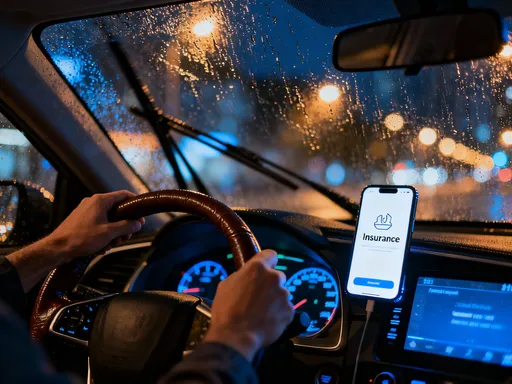
No matter how well-planned a honeymoon is, unexpected events can disrupt even the most carefully arranged itinerary. Flight delays, medical emergencies, or natural disasters are rare but real risks. Without preparation, these situations can lead to significant out-of-pocket expenses. Travel insurance is not a luxury—it’s a form of financial protection that many overlook until it’s too late. Yet, skipping coverage to save a few hundred dollars can result in thousands in losses if something goes wrong.
Basic travel insurance typically covers trip cancellation or interruption due to illness, severe weather, or airline bankruptcy. However, comprehensive plans go further, including medical evacuation, lost luggage reimbursement, and emergency dental care. For international trips, especially to remote or developing regions, medical coverage is critical. Health care abroad can be expensive, and domestic insurance often doesn’t apply. A single emergency room visit in certain countries can exceed $10,000. Having insurance ensures access to care without financial catastrophe.
One couple learned this the hard way when a sudden storm caused their connecting flight to be canceled. With no flexible tickets or insurance, they had to pay for an entire night at a premium airport hotel and rebook flights at peak rates—adding nearly $1,200 to their trip. Had they purchased a mid-tier insurance plan costing under $150, most of those expenses would have been covered. The lesson is clear: small investments in protection can prevent large financial setbacks.
In addition to insurance, building flexibility into bookings enhances security. Opting for refundable or changeable rates—even at a slightly higher cost—provides peace of mind. Some credit cards offer built-in travel insurance when purchases are made using the card, so reviewing benefits beforehand can yield unexpected savings. Establishing an emergency fund specifically for travel is another prudent step. Even setting aside $500 can cover minor disruptions without derailing the entire budget. Planning for the unexpected doesn’t diminish romance—it strengthens resilience, allowing couples to focus on joy rather than worry.
Spending Control: Sticking to Your Budget Without Killing the Fun
Once on vacation, daily spending becomes the new frontier of financial discipline. It’s easy to justify small purchases—a souvenir here, a cocktail there—but these add up quickly. A $15 beachside drink may seem harmless, but ten of them equal a missed excursion or an extra night’s accommodation. To maintain control, couples should establish a daily spending limit before departure. This amount should include meals, transportation, tips, and activities, excluding only pre-paid items like hotels or tours.
One effective method is the cash envelope system adapted for travel. Allocating the daily budget in local currency and placing it in a labeled envelope creates a tangible limit. Once the cash is gone, discretionary spending stops. Digital alternatives include budgeting apps that sync across devices and track expenses in real time. These tools categorize spending, send alerts when limits are approached, and even allow couples to set shared goals. Seeing progress together fosters cooperation rather than conflict.
Another strategy is prioritizing experiences over material things. Research shows that people derive more lasting happiness from experiences than possessions. Instead of buying multiple souvenirs, investing in a cooking class, snorkeling tour, or sunset cruise creates shared memories. Local markets often offer authentic, affordable options for gifts and mementos. Eating at family-run restaurants rather than tourist-oriented ones usually means better value and more genuine cultural engagement. These choices enrich the trip while conserving funds.
Behavioral awareness also plays a role. Decision fatigue increases the likelihood of impulsive spending, especially after a long day of sightseeing. Planning meals and activities in advance reduces the need for spontaneous choices. Carrying a reusable water bottle, using public transit passes, and avoiding currency exchange kiosks at airports can save substantial amounts over a week. By staying mindful and intentional, couples can enjoy every moment without guilt or anxiety about overspending.
Post-Trip Recovery: Avoiding Debt Hangovers After the Honeymoon
The end of the honeymoon marks the beginning of financial reality. If the trip was funded with credit cards and no repayment plan, the months that follow can feel like a hangover—except it’s financial, not physical. Credit card debt accrues interest quickly, especially if only minimum payments are made. A $5,000 honeymoon charged to a card with a 20% APR could cost over $6,500 to repay over five years. This burden delays other financial goals, from saving for a home to starting a family.
To avoid this, couples should create a post-trip repayment strategy before the journey begins. Ideally, the honeymoon should be paid for with saved funds, but if borrowing was necessary, a clear plan minimizes damage. Setting up automatic monthly payments ensures consistency and prevents late fees. Prioritizing high-interest debt accelerates payoff and reduces total interest. For example, focusing on the honeymoon balance before adding new charges can shorten the repayment period significantly.
Using unexpected income—such as tax refunds, work bonuses, or cash gifts from the wedding—can also help clear the balance faster. Rather than spending windfalls on new luxuries, directing them toward debt repayment brings quicker financial freedom. Open communication between partners about spending habits and repayment progress builds trust and accountability. It’s not about blame; it’s about teamwork.
Additionally, reflecting on the experience helps inform future decisions. Did the couple stay within budget? Where did they overspend? What would they do differently? Documenting these insights creates a valuable reference for future travel. Over time, disciplined financial behavior becomes a habit, not a hardship. The goal is not to eliminate joy but to ensure it doesn’t come at the expense of long-term security.
Smart Honeymoon Planning: Building a Financially Healthy Start to Marriage
The honeymoon is more than a vacation—it’s the first financial project a couple undertakes together as a married unit. How they plan, spend, and recover from this experience sets a precedent for future decisions. Transparency, communication, and shared goals are the foundation of financial harmony. When both partners participate in budgeting, research, and trade-offs, they build trust and mutual respect. This collaborative approach extends beyond travel, influencing how they manage household expenses, save for big purchases, and plan for retirement.
Treating the honeymoon as part of a broader life plan shifts the mindset from consumption to investment. The memories made are invaluable, but so is the financial wisdom gained. Every decision—from choosing an affordable destination to purchasing insurance—reinforces responsible habits. These lessons become the blueprint for a stable, secure future. Marriage is not just about love; it’s about partnership in all aspects of life, including money.
By aligning their honeymoon with their values and financial reality, couples can celebrate their union without compromising their tomorrow. They learn to balance dreams with discipline, enjoyment with responsibility. This balance is not temporary—it’s sustainable. And in the years ahead, when they look back on their trip, they won’t just remember the beaches or the views. They’ll remember how they worked together, made smart choices, and started their marriage on solid ground. That kind of legacy lasts far longer than any tan line.