How I Handled Cultural Inheritance the Smart Way—And Saved Thousands
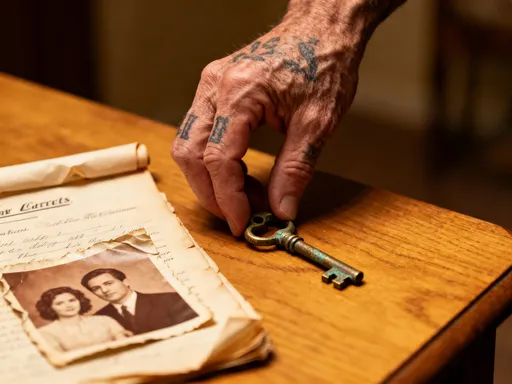
Inheriting family assets isn’t just about property—it’s emotions, history, and hidden costs. When I stepped into my family’s cultural inheritance, I didn’t expect the financial maze behind traditions. From legal paperwork to preservation expenses, every step had a price. I made mistakes, learned hard lessons, and finally found a balanced way to honor legacy without draining my wallet. Here’s how I navigated it—and what you can do differently. What began as a heartfelt effort to preserve my family’s past quickly turned into a lesson in financial responsibility. The truth is, cultural inheritance carries deep meaning, but it also brings real-world obligations that many are unprepared for. Without careful planning, the desire to honor ancestors can lead to avoidable debt, family conflict, and long-term stress.
The Emotional Weight Behind Cultural Inheritance
Cultural inheritance often arrives wrapped in layers of sentiment, memory, and identity. An ancestral home, a collection of handwoven textiles, a set of antique furniture passed down through generations—these are not mere objects. They are symbols of continuity, resilience, and belonging. For many families, especially those with strong traditions, letting go of such items can feel like severing a connection to the past. The emotional pull is powerful, sometimes overwhelming. This deep attachment, while understandable, can cloud financial judgment and lead to decisions that prioritize sentiment over sustainability.
Many people inherit cultural assets during emotionally vulnerable times—often after the loss of a parent or elder relative. Grief, combined with a sense of duty, can create pressure to preserve everything, regardless of cost. There’s an unspoken belief that maintaining physical possession is the only way to honor a loved one’s memory. This mindset leads some to take on mortgages they can’t afford, delay necessary repairs due to sentimental hesitation, or refuse offers to share or sell items that could benefit others. The result is often financial strain masked as loyalty.
Understanding this emotional foundation is the first step toward making balanced choices. Recognizing that love and respect do not require financial sacrifice allows families to explore alternatives that honor the spirit of the legacy without burdening the present. Emotional value is real, but it must be weighed against practical realities. By acknowledging the psychological weight of cultural inheritance, individuals can begin to separate sentiment from obligation and open the door to smarter, more sustainable decisions.
What Exactly Are the Costs? Breaking Down the Expenses
Behind the beauty and history of cultural inheritance lies a complex web of financial obligations. Many people assume that once legal ownership is transferred, the main work is done. In reality, the financial journey often begins at that point. The costs associated with maintaining cultural assets can be substantial, and they tend to accumulate over time. These expenses fall into several key categories: property maintenance, insurance, restoration, taxes, and ongoing management. Each one deserves careful consideration before deciding to keep an inherited asset.
For those who inherit real estate—such as a family home in a historic district—maintenance becomes a primary concern. Older buildings often require specialized care. Roofs may need replacement with period-appropriate materials, plumbing and electrical systems may be outdated and unsafe, and structural repairs can be costly due to the need for skilled artisans. Even routine upkeep, like cleaning stone facades or preserving wooden beams, demands more time and money than modern homes. A single repair project can cost thousands, and without regular attention, deterioration accelerates, leading to even higher future expenses.
Insurance is another often-overlooked cost. Standard homeowner policies may not cover the full value of culturally significant items or properties. Families may need to purchase specialized insurance for antiques, artwork, or historic buildings, which typically comes with higher premiums. Additionally, if the asset is located in a flood-prone or high-risk area, coverage becomes even more expensive. Some insurers require regular inspections or specific storage conditions, adding another layer of responsibility and potential cost.
Restoration and preservation work further increase the financial burden. Authentic restoration—especially for items protected by heritage regulations—requires certified professionals and approved materials. A single piece of antique furniture may cost hundreds to restore properly, while restoring an entire ancestral home can run into tens of thousands of dollars. These costs are not one-time; they recur as materials age and environmental conditions change. Without a dedicated budget, families risk losing the very items they hoped to preserve.
Finally, there are indirect costs related to time and opportunity. Managing an inherited property or collection takes effort—scheduling repairs, coordinating with experts, handling documentation. This labor often falls on one family member, creating emotional and practical strain. In some cases, the decision to keep an asset means sacrificing other financial goals, such as saving for retirement or funding a child’s education. By clearly identifying these expenses, families can make informed choices rather than reacting out of emotion or obligation.
Legal and Tax Realities No One Talks About
One of the most underestimated aspects of cultural inheritance is the legal and tax framework that governs it. Many people assume that being named the heir automatically means smooth ownership transfer. However, the process is rarely that simple. Legal procedures such as probate, title registration, and estate settlement can take months—or even years—to complete. During this time, bills continue to accrue, and delays can lead to penalties or loss of value. Understanding these legal requirements is essential to avoiding costly mistakes.
Probate, the legal process of validating a will and distributing assets, varies by jurisdiction but often involves court fees, attorney costs, and publication requirements. If the deceased did not leave a clear will, the process becomes more complicated and may result in disputes among heirs. Even with a will, challenges can arise if the document is outdated or if beneficiaries disagree on how assets should be handled. These conflicts can lead to prolonged litigation, draining resources and damaging family relationships.
Title transfer is another critical step, especially for real estate. Ensuring that the property is properly registered in the new owner’s name prevents future complications, such as difficulty selling or refinancing. In some regions, transferring ownership of historic properties triggers additional requirements, such as heritage compliance checks or restrictions on modifications. Failure to comply can result in fines or forced restoration at the owner’s expense.
Tax obligations are perhaps the most significant financial consideration. In many countries, inherited assets may be subject to estate tax, inheritance tax, or capital gains tax, depending on their value and how they are used. For example, if an ancestral home is later sold at a profit, the gain may be taxable. Similarly, receiving valuable art or collectibles could push an individual into a higher tax bracket. Some governments offer exemptions or reduced rates for family-owned cultural assets, but these often come with conditions—such as keeping the item for a minimum number of years or making it accessible to the public.
Additionally, if the inherited item is officially recognized as part of national or regional heritage, the owner may be legally required to maintain it according to strict guidelines. These rules can limit how the asset is used, modified, or sold. In some cases, the government may even have the right of first refusal if the owner decides to sell. These legal constraints mean that owning a culturally significant asset is not the same as owning a regular piece of property. Early consultation with legal and tax professionals is not just advisable—it is essential for protecting both the asset and the family’s financial well-being.
Preserving Legacy Without Breaking the Bank
Honoring cultural heritage does not require bearing the full financial weight of ownership. There are thoughtful, cost-effective ways to preserve legacy while avoiding unsustainable expenses. The key is to shift the focus from physical possession to meaningful preservation. By redefining what it means to honor tradition, families can find solutions that respect the past without compromising their financial future.
One effective approach is digitization. Family documents, photographs, letters, and even audio recordings can be scanned and stored securely in digital archives. This not only protects fragile materials from deterioration but also makes them accessible to relatives across generations and geographies. Digital preservation allows stories and memories to live on without the need for climate-controlled storage or constant maintenance. Some families create private online albums or use cloud-based platforms to share content selectively, ensuring privacy while promoting connection.
Another option is shared ownership. Instead of one person taking full responsibility, siblings or extended family members can co-own an asset. This model works well for properties or collections that hold value for multiple people. Shared ownership spreads costs and responsibilities, making upkeep more manageable. To prevent conflict, families should establish clear agreements outlining decision-making processes, financial contributions, and usage rights. These agreements can be formalized through legal documents to ensure clarity and fairness.
Donating culturally significant items to museums, historical societies, or educational institutions is another powerful way to preserve legacy. Many organizations welcome donations of artifacts, documents, or artwork, especially if they have local or historical relevance. In return, donors often receive tax benefits, reducing their overall tax liability. Some institutions offer recognition, such as naming displays or including family stories in exhibits, ensuring that the contribution is remembered. Donation also guarantees professional preservation, giving peace of mind that the item will be cared for according to best practices.
For families who wish to keep an item within the family but cannot manage it personally, lending arrangements can be a solution. A trusted relative might temporarily house an heirloom, with the understanding that it will be passed on to the next generation when appropriate. This allows the item to remain in the family circle without placing undue burden on any one person. The important thing is to document these arrangements to avoid confusion later.
When to Let Go—And How to Do It Right
Letting go of a family heirloom or ancestral property is never easy. For many, it feels like a betrayal of duty or a loss of identity. Yet, in some cases, releasing an asset is the most responsible and respectful choice. Holding onto something that cannot be properly maintained risks its deterioration or even destruction. True honor lies not in possession, but in ensuring the item’s survival and significance. Recognizing when to let go is a sign of wisdom, not weakness.
The decision to release an inherited asset should be guided by a clear framework. First, assess the item’s condition and the cost of upkeep. If maintenance exceeds what the family can reasonably afford, continuing ownership may do more harm than good. Second, consider whether the item is being used or appreciated. An object locked in storage or neglected in an empty house loses its meaning. Third, explore whether others—such as cultural institutions or distant relatives—might benefit more from access to the asset. If the answer is yes, then transfer may be the better path.
There are several responsible ways to let go. Public auctions can be a transparent method for selling valuable items, especially if they have broad market appeal. Reputable auction houses specialize in antiques, art, and collectibles, offering expertise in valuation and marketing. Private sales to collectors or dealers are another option, particularly for unique or rare pieces. These transactions allow for more control over pricing and timing.
Gifting to museums or educational organizations ensures that the item will be preserved and shared with the public. Some institutions accept loans rather than permanent donations, allowing the family to retain ownership while the item is displayed and protected. This arrangement can be especially appealing when there is uncertainty about long-term plans. In all cases, it is important to document the transfer and, if possible, include a brief history of the item to preserve its story.
Letting go does not mean forgetting. Families can create纪念册s, host a family gathering to share memories, or record oral histories to mark the transition. These acts of remembrance honor the emotional value of the asset while freeing the family from financial strain. The goal is not to erase the past, but to ensure it is preserved in the most sustainable way possible.
Risk Control: Avoiding Common Financial Traps
The journey of managing cultural inheritance is filled with potential pitfalls. Many families enter it with good intentions but lack the tools to navigate the financial complexities. Without awareness, even well-meaning decisions can lead to long-term consequences. The most common mistakes include underestimating ongoing costs, failing to obtain professional appraisals, ignoring tax implications, and avoiding difficult conversations about division and use. Each of these errors can result in unexpected debt, family conflict, or loss of the very assets meant to be preserved.
One of the biggest risks is assuming that maintenance costs will be minimal. Older properties and delicate items require consistent investment. A roof leak ignored today can lead to structural damage tomorrow. Without a realistic budget that accounts for repairs, insurance, and professional care, families may find themselves overwhelmed. Creating a detailed financial plan before accepting an inheritance can prevent this. This plan should include projected annual costs, emergency reserves, and potential income sources, such as rental income or tax benefits.
Another critical step is obtaining professional appraisals. Knowing the true market value of an inherited asset helps in making informed decisions about insurance, taxes, and potential sale or donation. Appraisals also provide clarity during family discussions, reducing the risk of disputes over perceived value. It is important to use certified appraisers with experience in the specific type of asset, whether it is real estate, art, or antiques.
Setting financial boundaries is equally important. Some families feel pressured to spend beyond their means to restore or maintain an asset. While respect for heritage is important, it should not come at the cost of financial stability. Establishing clear limits on spending—such as capping restoration costs at a certain percentage of net worth—helps prevent emotional overspending. These boundaries should be discussed and agreed upon by all involved parties to ensure accountability.
Finally, avoiding procrastination is key. Delaying decisions about inheritance management often leads to higher costs and fewer options. The longer a property sits unoccupied, the more it deteriorates. The longer family members wait to discuss division, the more likely conflict becomes. Taking action early—consulting professionals, organizing documents, and holding family meetings—sets the foundation for responsible stewardship.
Building a Sustainable Plan: From Inheritance to Legacy Management
True legacy is not measured by what is kept, but by how it is managed. Cultural inheritance offers an opportunity to build a sustainable plan that honors the past while protecting the future. This requires intentionality, communication, and the use of practical tools. Rather than reacting to events as they unfold, families can take proactive steps to ensure that their heritage is preserved in a way that is both respectful and financially sound.
The foundation of any sustainable plan is open conversation. Families should begin discussing inheritance wishes long before a crisis or loss occurs. These discussions should cover not only who will receive what, but also how assets will be maintained, who will be responsible for decisions, and what financial limits are acceptable. Writing down these agreements—whether in a family letter, trust document, or formal contract—adds clarity and reduces the risk of misunderstanding later.
Legal tools such as trusts can play a valuable role in managing cultural assets. A trust allows a family to specify how an asset should be used, maintained, and eventually transferred. It can designate a trustee to make decisions, ensuring continuity even if the original heirs are unable or unwilling to manage the asset. Trusts can also provide tax advantages and protect assets from creditors or legal disputes.
Family meetings, held regularly, help keep everyone informed and aligned. These gatherings can review budgets, discuss maintenance needs, and update plans as circumstances change. Including younger generations in these conversations fosters a sense of responsibility and connection to family history. It also prepares them to take on stewardship roles in the future.
Ultimately, the goal is to shift from passive inheritance to active legacy management. This means making deliberate choices based on values, resources, and long-term vision. It means recognizing that honoring culture does not require financial sacrifice—it requires smart, compassionate decision-making. By approaching cultural inheritance with both heart and wisdom, families can preserve their heritage in a way that enriches lives across generations.