How I Turned Old Treasures Into Smart Investments – A Real Collector’s Journey
What if the key to building wealth wasn’t in stocks or real estate, but hiding in antique markets and dusty estate sales? I started collecting old pieces out of curiosity, but soon realized their true financial potential. This isn’t about nostalgia—it’s about strategy. In this guide, I’ll walk you through how I structured my antique investment layout, balanced passion with profit, and avoided costly mistakes along the way. What began as a weekend hobby evolved into a disciplined approach to wealth preservation and growth. Antiques, when selected wisely, offer more than aesthetic pleasure—they can serve as tangible assets that appreciate over time, often with less volatility than traditional markets. This journey is not for speculators seeking quick returns, but for thoughtful individuals who value patience, research, and the quiet confidence of owning something truly rare.
The Hidden Value in Antiques: Why They’re More Than Just Decor
At first glance, antiques may appear to be little more than charming remnants of a bygone era—ornate furniture, delicate porcelain, or yellowed books with cracked spines. But beneath their surface appeal lies a quiet financial logic that has drawn discerning investors for generations. Unlike stocks or cryptocurrencies, which can swing wildly based on market sentiment, antiques derive their value from a combination of scarcity, historical significance, and enduring craftsmanship. These qualities do not evaporate during economic downturns; in fact, they often gain relevance when investors seek refuge in tangible, enduring assets. Over time, I came to understand that antiques are not merely decorative objects—they are physical stores of value, much like gold or fine art, but often more accessible to the average collector.
One of the most compelling aspects of antique investing is its independence from traditional financial markets. While stock indices may plummet due to geopolitical tensions or inflation spikes, a well-preserved 18th-century writing desk or a signed mid-century ceramic vase may continue to appreciate based on collector demand and cultural trends. This decoupling offers a form of diversification that is increasingly valuable in an era of market volatility. I began tracking auction results from major houses like Sotheby’s and Christie’s, not for glamour, but to observe long-term pricing patterns. What I found was striking: certain categories, such as American Shaker furniture or Japanese Imari porcelain, showed consistent year-over-year growth, sometimes outperforming broad market indices over ten-year periods. This wasn’t speculation—it was data-driven evidence of stable appreciation.
Another factor that sets antiques apart is their resistance to mass production. True antiques cannot be replicated at scale; their age, materials, and provenance are inherently limited. This scarcity drives value, especially as new generations of collectors emerge with disposable income and a growing appreciation for authenticity in an increasingly digital world. I noticed that younger buyers, particularly those in urban centers, were beginning to favor handcrafted, historically rooted items over mass-market decor. This shift in consumer preference has quietly fueled demand, creating upward pressure on prices for select categories. The key, however, is knowing which items possess the right combination of rarity and desirability—a skill that comes not from impulse, but from study and experience.
Of course, not all antiques are created equal. A chipped teacup from the 1950s holds little investment value, while an unmarked folk-art painting from the 1800s might surprise even seasoned appraisers. This distinction underscores the importance of understanding what drives value. Condition, provenance, and craftsmanship are the three pillars of antique valuation. An item in excellent condition with a documented history—such as ownership by a notable family or exhibition in a museum—can command a premium. Similarly, pieces made by known artisans or from historically significant periods carry more weight in the market. Over time, I developed a mental checklist to evaluate each potential acquisition, ensuring that emotional appeal never overshadowed financial logic.
Mapping Your Investment Layout: Strategy Before Spending
Entering the world of antique investing without a clear strategy is like navigating a maze blindfolded—you may stumble upon something valuable, but you’re far more likely to waste time and money. I learned this lesson after making an early purchase: a walnut cabinet I believed to be an 18th-century English piece, only to discover through appraisal that it was a 20th-century reproduction. The loss was not just financial—it was a blow to my confidence. From that point forward, I committed to building a structured investment framework, one that would guide every decision, from budgeting to acquisition to long-term planning.
My approach begins with allocation. Just as a financial advisor might recommend dividing a portfolio among stocks, bonds, and real estate, I allocate my antique budget across categories based on risk and growth potential. For example, I reserve a portion for high-value, low-liquidity items like antique clocks or rare books—pieces that may take years to sell but offer strong appreciation. Another segment is dedicated to mid-tier furniture, such as mid-century modern pieces, which tend to have active resale markets and quicker turnover. A smaller portion is set aside for speculative finds—undervalued items I believe are on the cusp of gaining attention. This tiered strategy ensures that I’m not overexposed to any single category, reducing overall risk.
Equally important is setting price ceilings. Before attending an estate sale or auction, I determine the maximum I’m willing to pay for a given type of item, based on recent comparable sales and market trends. This discipline prevents emotional bidding wars, which can inflate prices beyond rational levels. I also define holding periods for different categories. Some items are intended as long-term holds—ten years or more—while others are acquired with the intent to resell within two to three years if market conditions are favorable. This clarity allows me to assess performance over time and make informed decisions about when to exit a position.
Another element of my layout is geographic diversification. While I focus primarily on American and European antiques, I’ve begun exploring regional specialties, such as Scandinavian mid-century design or Asian export porcelain. These markets often move independently of one another, offering additional insulation against localized downturns. By spreading my interests across regions and styles, I increase the odds that at least part of my collection will perform well, even if one segment stagnates. This strategic mindset transforms collecting from a pastime into a deliberate financial practice—one rooted in patience, research, and long-term vision.
Spotting Winners: What to Buy (and What to Skip)
In the early days of my journey, I operated under a simple but flawed assumption: if something was old, it was valuable. I filled storage units with mismatched china, worn rocking chairs, and boxes of unidentified silverware, convinced that time alone would make them profitable. Reality proved otherwise. Most of these items remained unsold for years, depreciating in value due to wear and changing tastes. It was a humbling lesson: age is not a guarantee of worth. What truly matters is condition, authenticity, and market demand. Over time, I developed a sharper eye for what constitutes a potential winner—and what should be left behind.
One of the most reliable indicators of investment potential is condition. A pristine mid-century dining set, for example, will always command a higher price than one with deep scratches or replaced parts. I now inspect every piece meticulously, looking for structural integrity, original finishes, and signs of restoration. While minor repairs are acceptable, extensive overhauls can diminish value, especially if they obscure the item’s authenticity. I also pay close attention to completeness—missing drawers, broken hinges, or absent hardware can significantly reduce resale appeal. In one case, I passed on a seemingly attractive roll-top desk because the brass fittings had been replaced with modern replicas, a red flag that suggested prior devaluation.
Authenticity is equally critical. The antique market, like any high-value niche, attracts forgers and misrepresentations. I learned to verify maker’s marks, construction techniques, and materials before committing to a purchase. For instance, hand-cut dovetail joints are a hallmark of pre-20th-century furniture, while machine-cut joints indicate later production. Similarly, certain glazes and pigments used in ceramics can be dated with precision, helping to confirm or dispute an item’s claimed age. When in doubt, I consult reference books or online databases maintained by historical societies and collector groups. This due diligence has saved me from multiple near-misses, including a purported Tiffany lamp that lacked the proper soldering pattern.
Market demand is the final piece of the puzzle. No matter how rare or beautiful an item may be, it must have a buyer willing to pay a premium. I track trends through auction archives, collector forums, and resale platforms to identify which categories are gaining traction. In recent years, mid-century modern furniture, vintage lighting, and Art Deco accessories have shown strong and sustained demand. Conversely, items like Victorian lace or pressed glass, while charming, have seen declining interest and stagnant prices. This doesn’t mean they’re worthless, but they are less likely to deliver strong returns. By focusing on categories with active markets, I increase the likelihood of profitable exits when the time comes.
The Hunt: Where to Find Undervalued Pieces
The thrill of discovery is one of the most rewarding aspects of antique investing. It’s not just about the item itself, but the story of how it was found—the estate sale in a quiet town, the dusty corner of a rural auction, the unexpected gem tucked behind common clutter. Over the years, I’ve refined my sourcing strategy, learning where and when to look for undervalued pieces. Each venue has its advantages and pitfalls, and success often depends on timing, preparation, and relationships.
Estate sales remain one of the most promising sources for high-quality antiques. Families clearing out homes after a loss are often more focused on efficiency than profit, which can lead to underpriced items. I make it a point to visit early in the sale cycle, when the best pieces are still available, but also return toward the end, when sellers may be willing to negotiate. Building rapport with estate sale organizers has proven invaluable; a friendly conversation can lead to advance notice of upcoming sales or access to items not yet on display. I’ve also found that off-season sales—those held in winter months or during holidays—tend to attract fewer collectors, increasing the odds of a quiet find.
Auctions, both live and online, offer another rich hunting ground. Local auction houses often feature regional specialties that larger venues overlook. I attend previews whenever possible, using the opportunity to inspect items in person and speak with cataloguers. Online auctions, while convenient, require extra caution. Photos can be misleading, and descriptions may omit flaws. I always request additional images or condition reports before bidding and set strict limits to avoid getting caught in bidding wars. One of my most successful acquisitions—a pair of 19th-century French bergère chairs—was won through a regional online auction at less than half their appraised value, simply because few bidders recognized the maker’s stamp.
Local dealers and antique shops also play a role in my strategy. While prices are often marked up, these venues provide a chance to handle items, assess condition, and learn from experienced sellers. I’ve developed relationships with several trusted dealers who notify me of incoming inventory that matches my criteria. In return, I offer fair prices and timely payments, fostering a mutually beneficial dynamic. Flea markets and antique fairs are more unpredictable, but occasional visits have yielded surprises, such as a signed 1940s ceramic bowl I purchased for $40 and later sold for over $1,200 after verification.
Authenticity and Appraisal: Avoiding Costly Mistakes
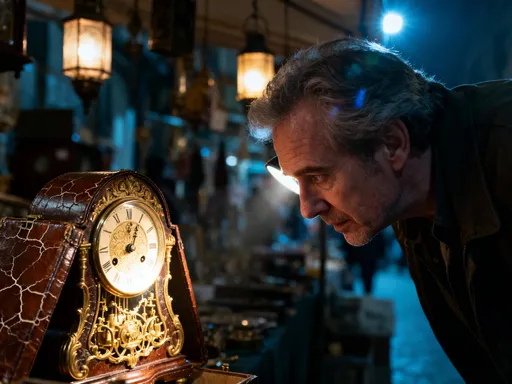
One of the most sobering moments in my collecting journey came when I discovered that a cherished 18th-century clock I had purchased was actually a high-quality reproduction. The realization didn’t come from a sudden suspicion, but from a formal appraisal I commissioned out of curiosity. The appraiser, a certified specialist with decades of experience, pointed out subtle inconsistencies in the engraving and movement that were invisible to my untrained eye. That moment was a turning point. I realized that without expert verification, even the most careful collector can fall victim to deception. Since then, I’ve made professional appraisal a non-negotiable step in my acquisition process.
Accurate valuation is not just about avoiding fakes—it’s about understanding true market worth. I now work with accredited appraisers who follow Uniform Standards of Professional Appraisal Practice (USPAP) guidelines, ensuring consistency and reliability. These professionals provide detailed reports that include item description, condition assessment, provenance research, and comparable sales data. While there is a cost involved, typically ranging from $100 to $300 per item, it pales in comparison to the potential loss from overpaying or misrepresenting an item. For higher-value acquisitions, I often seek second opinions, especially when dealing with rare or unusual pieces.
Documentation is another critical component of risk control. I maintain a digital archive for each item, including appraisal reports, purchase receipts, photographs, and any historical information I uncover. This not only supports future resale but also strengthens insurance claims in case of damage or loss. In one instance, a fire in a storage unit damaged several pieces, but thorough documentation allowed me to file a successful claim and recover most of my investment. Beyond financial protection, this record-keeping fosters a deeper connection to the items, transforming them from mere objects into documented chapters of history.
For those just starting out, I recommend beginning with appraisals on even modest purchases. It’s an investment in education as much as protection. Over time, you’ll begin to recognize patterns, materials, and construction techniques that distinguish genuine antiques from reproductions. While intuition can develop, it should never replace expert analysis. The antique market rewards patience and precision—rushing to acquire without verification is a gamble no serious investor should take.
Holding, Maintaining, and Timing the Exit
Unlike stocks or bonds, antiques are not liquid assets. Selling them quickly often means accepting a fraction of their value. I’ve learned that successful antique investing requires a long-term perspective, with careful attention to preservation and market timing. Once an item enters my collection, it becomes part of a managed portfolio—one that demands ongoing care and strategic oversight.
Proper storage is essential to maintaining value. I keep my collection in a climate-controlled environment, with stable temperature and humidity levels to prevent warping, cracking, or mold. Direct sunlight is avoided to protect finishes and fabrics. Furniture is stored upright, with padding on delicate surfaces, and textiles are folded with acid-free tissue to prevent deterioration. I also maintain a detailed inventory, updated regularly, that tracks location, condition, and appraisal value. This level of organization not only protects the collection but also simplifies insurance and tax reporting.
Insurance is another non-negotiable. I use a specialized fine art and antique policy that covers damage, theft, and accidental loss, with agreed-value terms to avoid disputes during claims. Premiums are based on appraised values, which I update every three to five years to reflect market changes. This proactive approach ensures that my investment is protected without overpaying for coverage.
Knowing when to sell is perhaps the most challenging aspect of antique investing. I monitor auction results, collector trends, and economic indicators to gauge market momentum. A surge in demand for a particular category, such as vintage Scandinavian design, may signal an opportune moment to liquidate. Conversely, a saturated market or economic downturn may suggest waiting. I also consider personal factors—space limitations, shifting interests, or financial needs. The goal is not to chase peak prices, but to exit at a point that balances profit with practicality. Over time, this disciplined approach has yielded consistent returns, reinforcing the value of patience and planning.
Balancing Passion and Profit: The Long-Term View
Let’s be honest—no one builds a collection of antiques without some emotional attachment. There are pieces I own not for their resale value, but for their beauty, history, or personal significance. A small writing desk once belonged to a schoolteacher in the 1890s; I keep it not because it’s a high-growth asset, but because it inspires me. Over time, I’ve developed a mental framework that separates my collection into two categories: “heart” items and “growth” assets. This distinction has been transformative. It allows me to enjoy the emotional rewards of collecting while maintaining financial discipline in my investment decisions.
The heart items are those I have no intention of selling, regardless of market conditions. They bring joy, serve as conversation pieces, and connect me to the past. The growth assets, on the other hand, are evaluated purely on performance—appreciation, demand, and holding costs. I review this portfolio annually, pruning underperformers and reinvesting proceeds into more promising opportunities. This dual approach ensures that my collection remains both personally fulfilling and financially sound.
Sustainability is key. Antique investing is not a path to instant wealth, but a slow, deliberate journey that rewards consistency and learning. I’ve avoided burnout by setting realistic goals, staying informed, and celebrating small wins. Every successful sale, every accurate appraisal, every new piece that finds its place in the collection adds to a sense of progress. For anyone considering this path, my advice is simple: start small, focus on education, and let time be your ally. With the right layout, antique investing can offer not just financial returns, but a deeper appreciation for history, craftsmanship, and the enduring value of the well-made object.
Conclusion
Antique investing isn’t a get-rich-quick scheme—it’s a slow, deliberate game. But with the right layout, it can offer stability, beauty, and financial upside. My journey taught me that success lies not in chasing trends, but in thoughtful planning, continuous learning, and respecting the risks. If you’re curious, start small, stay informed, and let patience do the work.