Breathed Cleaner Air in 3 Days: The Smart Purifier Hack That Transformed My Home
Living in a city with unpredictable air quality, I used to wake up coughing, with a stuffy nose and low energy—until I gave smart air purification a real try. It wasn’t about fancy gadgets; it was about finally *feeling* the difference in my home. After just three days, the air felt fresher, my kids stopped sneezing, and I slept more deeply. This isn’t a tech review—it’s what changed in *my* life, and how you can see results too.
The Morning Struggle: When Clean Air Felt Out of Reach
There was a time when every morning felt like a battle before the day even began. I’d wake up with that familiar heaviness in my chest, my throat scratchy, my head foggy. My youngest would rub her nose constantly, asking, 'Why does it feel like there’s dust in my nose every morning?' And my oldest? He’d sit at the kitchen table, barely able to focus on his breakfast, let alone get excited about school. We weren’t sick—well, not officially—but we weren’t thriving either. It wasn’t until I started paying attention that I realized: our home, the place we thought was our safe haven, might actually be part of the problem.
Indoor air pollution is invisible, which makes it so easy to ignore. But it’s real. Dust mites, pet dander, cooking smoke, pollen that sneaks in through open windows, even the fumes from cleaning products—all of it builds up, especially in tightly sealed homes. And when you live in a city where outdoor air quality shifts from 'moderate' to 'unhealthy' without warning, closing the windows doesn’t always help. In fact, it can trap pollutants inside, creating a stale, stuffy environment that drains your energy before you even brush your teeth.
I started noticing patterns. On days with high pollen counts, my daughter’s sniffles worsened. After I baked or sautéed onions, my husband would complain about his eyes watering—even hours later. And during winter, when we kept the heat on and the windows shut, everyone seemed to catch every cold that went around. I began to wonder: what if the air we were breathing wasn’t just uncomfortable, but quietly affecting our health, our moods, our ability to focus and rest? That’s when I realized clean air wasn’t a luxury—it was a necessity we were missing.
Why I Tried a Smart Air Purifier—And Was Skeptical at First
Let’s be honest—I wasn’t eager to add another gadget to our already crowded home. I’d seen the sleek models online, with glowing panels and app integrations, but they looked more like science experiments than practical tools. My first thought? 'This is probably overkill. And expensive.' I assumed smart air purifiers were for tech lovers, not busy moms trying to keep the house running. I didn’t want something that needed constant setup, updates, or a degree in engineering to operate.
Then a friend mentioned hers casually over coffee. 'It just knows when the air gets bad,' she said. 'It turns on by itself, and I get a little message on my phone saying the air is clean now.' That caught my attention. Not because of the tech, but because of how she *felt*. She said she slept better, her allergies were milder, and her son with mild asthma hadn’t needed his inhaler as often. That’s when I started looking deeper—not at product specs, but at real people’s experiences.
What surprised me wasn’t the Wi-Fi connectivity or the app interface. It was how many people said the same thing: 'I didn’t realize how bad the air was until I felt how good it could be.' They talked about waking up without that morning cough, about their kids playing more freely, about feeling calmer. That’s when I realized this wasn’t about chasing the latest trend. It was about creating a healthier, more peaceful home. I decided to give it a try—not for the gadget, but for the chance to breathe easier. And honestly, I went in with low expectations. I just wanted to see if it made *any* difference.
How It Works Without Me Lifting a Finger
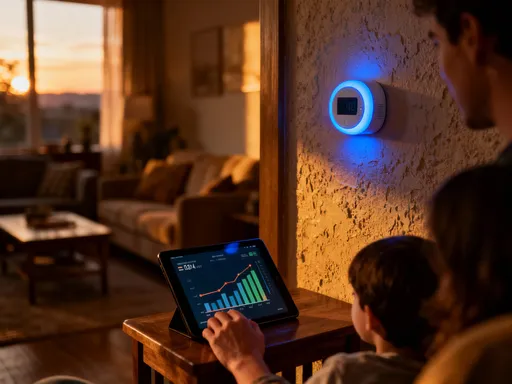
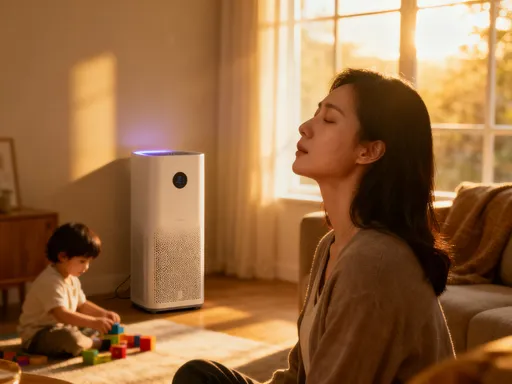
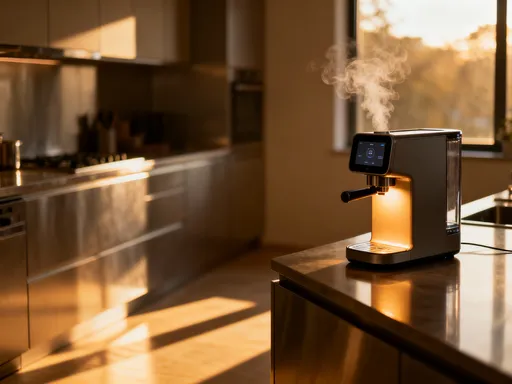
The biggest surprise? I didn’t have to do anything. I set it up in our living room—central, open, where we spend most of our time—and turned it on. Within minutes, it started measuring the air. The app showed a number: 87. 'That’s not great,' I thought. But then, slowly, it began to drop. The purifier’s fan adjusted on its own, quietly humming as it pulled in air, filtered it, and released it back clean.
Later that evening, I was cooking dinner—roasting vegetables with olive oil, which always creates a bit of smoke. I didn’t think much of it, but about ten minutes in, I got a notification on my phone: 'Air quality dropping. Purifier in boost mode.' I looked over—the fan had sped up, working harder to clear the cooking fumes. And within half an hour, the air was back to 'good' levels. No action needed from me. No buttons to press. It was like having a quiet, invisible helper making sure our air stayed fresh, even when I was distracted or busy.
At night, it switches to quiet mode automatically. I used to worry about noise, but this one is so soft, I barely notice it. And in the morning? The app shows a summary: 'Air quality maintained at healthy levels overnight.' That little detail—knowing our home was protected while we slept—gave me more peace than I expected. It’s not about control. It’s about trust. Trust that the air around my family is being taken care of, even when I’m not thinking about it.
What Changed in Just 72 Hours
By day three, I couldn’t ignore it. My daughter came downstairs and said, 'Mom, my nose doesn’t feel itchy today!' That was the first sign. Then, I woke up without that familiar pressure in my sinuses. No groggy head. No need to gulp water the second I opened my eyes. I felt… rested. Like I’d actually slept, not just passed out from exhaustion.
My husband noticed it too. 'The air feels lighter,' he said, taking a deep breath as he walked into the living room. 'Like it’s easier to breathe.' We started opening our eyes in the morning and actually *feeling* ready to start the day. No more dragging ourselves through breakfast, no more reaching for decongestants 'just in case.'
I began paying attention to small things. My focus improved when I was working from home. I wasn’t getting that mid-morning brain fog that used to make me reach for a second coffee. My throat didn’t feel dry or irritated, even after long phone calls. And my kids? They weren’t constantly asking for tissues or complaining about itchy eyes. It wasn’t a miracle—it was consistency. The purifier wasn’t fixing one problem; it was creating a new normal. A baseline of clean air that let our bodies function the way they were supposed to. And the best part? It happened so naturally, I didn’t even have to try.
Making It Part of Daily Life—Effortlessly
One of the things I used to hate about regular air purifiers was maintenance. I’d forget to change the filter, or I’d run it only when I remembered, which meant it wasn’t helping when I needed it most. With this smart model, that’s not an issue. The system tracks filter life and sends me a gentle reminder when it’s time to replace it. Not a nagging alarm—just a simple message: 'Filter at 85%. Consider ordering a replacement soon.'
It also adapts to our routine. When I go to bed, it switches to sleep mode—quiet, efficient, just keeping the air clean without any disruption. When I vacuum in the morning, I’ve noticed it automatically kicks into high gear, pulling in the dust that gets stirred up. And when we’re out of the house, it adjusts to a lower setting to save energy, then ramps back up when we return. It’s not about me managing the machine; it’s about the machine understanding *me*.
I don’t have to think about air quality anymore. I don’t need to check weather reports or pollen counts. The purifier does that for me, silently working in the background. And because it’s connected to my phone, I can check in from anywhere—'Is the air okay at home?'—and feel reassured. It’s not about being high-tech. It’s about being *thoughtful*. Like a small but meaningful upgrade to the way we live, one breath at a time.
How It Connects to Bigger Things: Health, Calm, and Family Care
This might sound a little emotional, but it’s true: having a smart air purifier gave me a deeper sense of calm. Not just about air, but about being a mom, a wife, someone who wants to care for her family in the best way possible. There are so many things we can’t control—school stress, social dynamics, the news—but knowing that our home environment is clean and safe? That’s something I *can* control. And it makes a bigger difference than I ever expected.
I used to feel guilty when my kids were tired or sniffling. 'Did I not clean enough? Did I leave the windows open too long?' Now, I don’t carry that worry. I know the air is being monitored, filtered, protected. That background stress—the quiet anxiety of 'Is the air okay?'—has faded. In its place is a quiet confidence. I’m doing something proactive, something gentle but powerful, to support their health every single day.
And it’s not just physical. Breathing clean air has a way of clearing your mind too. I feel more present. More patient. Less reactive. It’s like the environment itself is helping me show up as the mom and person I want to be. That sense of safety—knowing we’re surrounded by clean, fresh air—adds up in ways I can’t measure but deeply feel. It’s not just about health. It’s about peace. And in a world that often feels overwhelming, that’s a gift.
What You Can Do to See Results Fast
If you’re curious, I’d say: start small. You don’t need to outfit every room at once. Pick the space where you spend the most time—your bedroom, your living room, your home office—and place one smart purifier there. Choose one that gives you real feedback, not just colored lights that mean nothing. Look for one that connects to an app and shows you air quality in real time. That visibility makes all the difference.
Then, just pay attention. For the first few days, notice how you feel when you wake up. Is your throat sore? Are you congested? Do you feel rested? Track the little things—your energy, your focus, your breathing. Don’t wait for allergies to flare up or for someone to get sick. Think of clean air as prevention, not a reaction.
And give it time—just three days. That’s all it took for me to notice a shift. You might not see a dramatic change overnight, but by day three, you’ll likely feel something. Maybe it’s easier to breathe. Maybe you sleep more soundly. Maybe your kids stop asking for tissues every morning. These aren’t small wins—they’re signs that your body is responding to better air.
Most importantly, don’t think of this as a gadget purchase. Think of it as an act of care. For yourself. For your family. For the home you’ve built together. Clean air isn’t a luxury reserved for the future. It’s something you can bring into your life *today*. And once you feel the difference, you’ll wonder how you ever lived without it.