From Kitchen Chaos to Connection: How Smart Devices Revived My Friendships
Life in the kitchen used to mean stress, missed calls, and last-minute panic before gatherings. I was too busy chopping, timing, and cleaning to truly enjoy moments with friends. But when smart kitchen devices entered my life, something unexpected happened—they didn’t just organize my meals, they reorganized my relationships. With more time, less stress, and better-shared experiences, I started inviting friends over again, laughing while dinner cooked itself. This is how technology quietly brought warmth back into my kitchen—and my friendships.
The Overwhelmed Hostess: When Cooking Pushed Friends Away
There was a time when I looked forward to hosting friends like it was a gift. I’d light the candles, play soft music, and imagine us gathered around the table, talking late into the night. But slowly, that excitement faded. What used to feel joyful turned into a checklist of chores: grocery runs, prep lists, oven timers, and post-dinner cleanup. I’d spend hours before a gathering slicing vegetables, marinating proteins, and rearranging my fridge so it looked Instagram-ready—only to realize I hadn’t even greeted my guests properly. I’d be stuck in the kitchen, sweat on my forehead, apologizing for the food being late, while laughter echoed from the living room without me.
It wasn’t that I didn’t care. I cared too much. I wanted everything to be perfect—perfect food, perfect presentation, perfect hostess energy. But the pressure was crushing. I’d cancel plans last minute because I was too tired. Or worse, I’d show up physically but be mentally checked out, counting down the minutes until I could collapse on the couch after cleaning the dishes. My kitchen, which was supposed to be the heart of my home, had become a battlefield. And my friendships? They were quietly suffering. I stopped inviting people over. I said no to dinner plans. I missed birthdays, anniversaries, and the kind of deep, meandering conversations that only happen when you’re relaxed and present. I wasn’t avoiding people—I was avoiding the exhaustion that came with trying to do it all by hand.
That’s when it hit me: I wasn’t failing at friendship. I was failing at systems. I was using 1950s tools to manage a 2020s life. And if I wanted to reconnect with the people I loved, I needed to stop glorifying busyness and start embracing help—especially the kind that didn’t ask for coffee in return.
First Glimmer of Help: Discovering Smart Kitchen Tech That Actually Fits Real Life
I didn’t grow up with smart devices. My first microwave took up half the counter and had a spinning plate that always seemed to be out of alignment. So when people started talking about Wi-Fi ovens and app-controlled coffee makers, I rolled my eyes. It sounded like tech for people who had too much money and not enough common sense. But then a friend invited me over for dinner, and I noticed something different. She was actually sitting with us—laughing, sipping wine, telling stories—while her oven beeped gently in the background. “Oh, that’s just the roast finishing,” she said, not even looking up. “I preheated it from my phone while we were parking.”
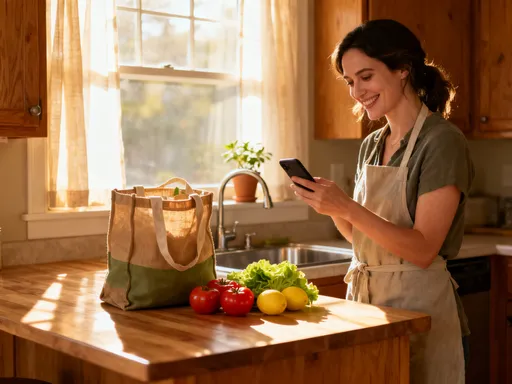
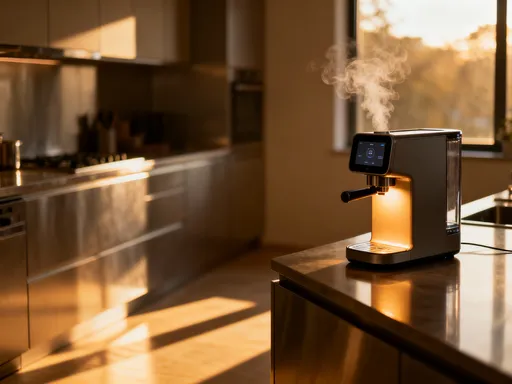
That moment changed everything. I realized these weren’t toys. They were tools designed for real life. Not for impressing neighbors, but for giving back time. So I started small. My first purchase was a smart coffee maker. It connects to my phone, and I can set it to brew at 8:15 a.m. every Saturday morning—the exact time my closest friend usually shows up unannounced with her dog and a stack of gossip. Now, the smell of fresh coffee greets her before I even open the door. No scrambling, no “just a minute,” no cold brew disappointment. Just warmth, literally and figuratively.
Then came the smart oven. I was skeptical. Could it really make a difference? But the first time I used it to roast vegetables while helping my daughter with homework, I felt a shift. I didn’t have to keep checking the temperature. I didn’t burn the garlic because I forgot to turn down the heat. The oven sent me a notification when the food was ready. I could finish the conversation I was having instead of abruptly excusing myself to “check on dinner.” These weren’t dramatic changes. They were quiet victories. And slowly, they added up to something bigger: presence.
Reclaiming Time: How Automation Made Space for Meaningful Moments
Time is the most precious thing we give in relationships. You can send a text, bring a gift, or remember a birthday, but nothing says “you matter” more than undivided attention. And that’s exactly what smart devices gave me back—the ability to be fully in the room. Before, I’d be standing at the counter, eyes darting between the simmering pot and my guests, mentally calculating how long the rice would take. Now, my rice cooker handles that. It knows when to switch to warm. It beeps when it’s done. I don’t have to hover.
One night, my sister came over for the first time in months. We used to talk all the time, but life had pulled us in different directions. I wanted to catch up, really catch up, but I was nervous—what if I got distracted? What if I missed her cues? So I planned ahead. I used a smart slow cooker to prepare her favorite stew. I set the timer from work. By the time she arrived, the house smelled like home. And instead of disappearing into the kitchen, I stayed with her. We sat at the table, wine in hand, and talked about everything—her divorce, my anxiety, our mom’s birthday coming up. I didn’t check the stove once. The device did it for me.
That night, she hugged me at the door and said, “I feel like I got my sister back.” And I realized: I wasn’t just cooking better. I was connecting better. The technology didn’t replace me—it freed me. It handled the tasks that drained my energy so I could pour that energy into what really mattered: listening, holding space, being there. When you’re not constantly managing the background noise of cooking, you can finally hear the people in front of you.
Shared Experiences: Turning Dinner into Digital Bonding
Sometimes, the best memories come from the smallest moments. Like the time my best friend and I tried making risotto together using a voice-controlled recipe app. We were both terrible at pronouncing “arborio,” and the device kept asking us to repeat it. “Arborio rice,” I said slowly. “I heard ‘carrot noise,’” it replied. We burst out laughing. Then it suggested we add “two cups of regret” instead of broth. Clearly, it was having a glitch—but we rolled with it. That night wasn’t about perfect food. It was about joy. And the app, with all its quirks, became part of the story.
Another time, my cousin visited with her teenage daughter. I opened the smart fridge to grab milk and saw a notification: “Leftover lasagna—best consumed within 24 hours.” I turned to them and said, “Well, looks like we’re having lasagna tonight.” The daughter’s eyes lit up. “Can we add jalapeños?” she asked. “Only if you promise not to tell your dad,” I joked. We customized the meal together, using the fridge’s meal planner to suggest side dishes. Later, we played board games, and she told me about school, her friends, her dreams. Her mom mouthed “thank you” across the table. That simple reminder didn’t just prevent food waste—it sparked a family moment.
These aren’t isolated incidents. They’re patterns. When technology reduces friction, it creates space for spontaneity. When you’re not stressed about overcooking the chicken or forgetting the side dish, you can focus on the people. You can tease your friend about her singing, dance while the oven preheats, or let the kids help set the table without worrying about broken glass. The kitchen becomes less of a task zone and more of a living room with better lighting and a sink.
Organized Living, Stronger Ties: How Clarity in the Kitchen Brought Calm to My Life
Have you ever canceled plans because you didn’t know what to cook? Or worse—because you opened the fridge and found expired yogurt, wilted greens, and a mystery container from 2019? I have. And every time, I felt a wave of shame. Not because I’m a bad cook, but because I felt like I was failing at adulthood. The clutter in my kitchen mirrored the clutter in my mind. I was overwhelmed, indecisive, and emotionally drained before I even started chopping.
Then I got a smart pantry system. It tracks what I have, sends alerts when items are about to expire, and even suggests recipes based on available ingredients. At first, I thought it was overkill. But within a week, I stopped throwing away food. I stopped staring into the fridge like it was a magic 8-ball. I started planning meals with confidence. And something surprising happened: I started inviting people over again. Not because I had more time, but because I had more clarity. I knew what I could make. I knew it wouldn’t be a disaster.
Decision fatigue is real. Every small choice—what to cook, what to buy, what to throw away—drains your mental energy. And when your mental energy is low, you don’t have much left for emotional generosity. You’re more likely to snap at your kids, cancel on friends, or retreat into silence. But when the kitchen runs smoothly, your whole life feels lighter. I found myself saying “yes” more. Yes to last-minute coffee. Yes to potlucks. Yes to game nights. Not because I was superhuman, but because the systems in my home were finally supporting me instead of sabotaging me.
The Ripple Effect: Friendships That Grew Beyond the Kitchen
What started as a quest to simplify cooking turned into something much bigger. As I hosted more, my friendships deepened. We weren’t just catching up—we were reconnecting. My friend Lisa went through a tough breakup, and instead of texting her, I invited her over. We made soup together, slowly, quietly. She cried while stirring the pot. I didn’t offer solutions. I just stayed. The slow cooker bubbled. The house was warm. And for the first time in weeks, she said she felt safe.
Another friend, Maria, was struggling with anxiety. She didn’t want to be alone, but she didn’t want to be “on” either. So I started doing “quiet dinners”—no guests, no pressure, just us, simple food, and soft music. We didn’t have to perform. We didn’t have to be cheerful. We could just be. And slowly, she began to open up. She said those nights helped her more than therapy. I don’t take credit—just having a calm, predictable space made all the difference.
These moments didn’t happen because I bought gadgets. They happened because the gadgets gave me the space to be human. They handled the logistics so I could focus on the emotional work of friendship—listening, comforting, showing up. And as these connections strengthened, they spilled over into other parts of our lives. We started meeting for walks, checking in more often, showing up for each other in bigger ways. The kitchen became the starting point for a web of care that extended far beyond my dining table.
More Than Appliances: Why Small Tech Changes Can Transform Big Parts of Life
I’ll be honest: I didn’t buy these devices to save my friendships. I bought them because I was tired. I was tired of burning dinner, missing moments, and feeling like hosting was a punishment. I wanted to cook without stress. But what I got was so much more. I got time. I got presence. I got joy. I got my kitchen back as a place of warmth, not worry.
Technology often gets a bad rap. We hear about screen addiction, social media burnout, and the loneliness of modern life. And yes, some tech pulls us apart. But some tech—thoughtfully chosen, intentionally used—can bring us closer. It can remove barriers. It can restore balance. It can give us back the most precious gift: the ability to be with the people we love, without distraction, without exhaustion, without guilt.
So if you’re feeling overwhelmed, if you’re canceling plans because cooking feels like a chore, if you’re missing the easy laughter of shared meals—consider this not as a surrender, but as a strategy. You’re not giving up. You’re upgrading. You’re choosing to protect your energy so you can give it where it matters most. A smart oven won’t hug your friend. A coffee maker won’t listen to her problems. But they can give you the space to do those things with your whole heart. And sometimes, that’s exactly what connection needs—a little help from the quiet magic of modern life.