Tired of Forgetting What You Meant to Buy? This Simple App Keeps Me on Track
We’ve all been there—standing in the grocery aisle, staring blankly at our phones, wondering why we came in the first place. You jot down a list, but by the time you’re shopping, it’s incomplete or buried in notes. I used to waste time, overspend, and come home missing half the items. Then I started using voice memos differently—not just for reminders, but as a personal shopping assistant. It changed how I plan, shop, and even save money. Let me show you how this small shift made a big difference. It’s not about fancy tech or complicated apps. It’s about using something you already have in a smarter, more meaningful way—and how that tiny change can ripple through your whole day.
The Grocery Run That Changed Everything
I’ll never forget that Tuesday evening. I’d just gotten home from a long day at work, my mind still buzzing with meetings and unanswered emails. My partner asked if I could swing by the store on the way back from picking up our daughter from dance class. “Just grab what we need for tomorrow’s dinner,” he said. “And don’t forget the soy sauce—I checked, we’re out.” I nodded, already mentally shuffling through the mental list forming in my head: vegetables, pasta, maybe some fruit for snacks. Easy enough.
But by the time I pulled into the supermarket parking lot, that list had evaporated. I remembered the soy sauce—barely—but completely blanked on the vegetables I’d promised myself I’d pick up. I wandered the produce section, phone in hand, scrolling through old texts and random notes, trying to piece together what I’d meant to buy. I ended up grabbing a bag of pre-cut carrots because they looked convenient, even though I knew my daughter wouldn’t eat them. I overbought cheese, forgot the garlic, and somehow walked past the soy sauce three times. When I got home, my partner looked at the bag and gently said, “You forgot the soy sauce.” I wanted to laugh, but I was too tired. It wasn’t just about dinner. It was about feeling like I couldn’t keep up, like my brain was failing me when I needed it most.
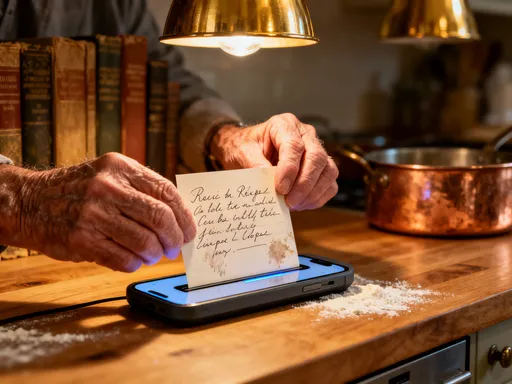
That night, while cleaning up, I pulled out my phone and started a voice memo almost out of habit. I said, “Next time: broccoli for stir-fry, whole wheat pasta, low-sodium soy sauce—don’t forget it this time—and apples for school lunches.” As I listened back, something clicked. It wasn’t just the list. It was the tone, the context. I could hear myself say “don’t forget it this time” with a little laugh, and suddenly, it felt real. That recording wasn’t just a reminder—it was a conversation with myself. It had warmth, intention, and clarity. And in that moment, I realized I’d been underestimating a tool I’d had in my pocket all along.
Why Our Brains Betray Us at the Store
We all expect our brains to remember everything—what we need to buy, what our kids need for school, what we promised to bring to the potluck. But the truth is, our brains aren’t designed to hold endless lists, especially when we’re tired, stressed, or multitasking. Cognitive science tells us that working memory—the part of our brain that holds information temporarily—can only manage about four chunks of information at once. Think about that. Four. And that’s under ideal conditions. Now imagine you’re standing in a brightly lit store, your child is tugging your arm, your phone is buzzing, and you’re trying to remember if you need butter, bread, or both. Your brain is already overloaded.
This isn’t a personal failing. It’s biology. When we’re mentally exhausted, our decision-making weakens, and we become more prone to impulse buys and forgetfulness. Have you ever walked into a store for one item and left with three unnecessary things? That’s not poor willpower—that’s a tired brain looking for shortcuts. And the mental load of managing a household often falls disproportionately on women. We’re the ones remembering birthdays, scheduling appointments, tracking what’s running low in the pantry. It’s exhausting. We’re not forgetful—we’re overloaded.
That’s where voice memos come in. They act as an external brain, a safe place to dump thoughts the moment they come up. Instead of trying to hold everything in your head, you can speak it out loud and let the phone remember for you. It’s like giving yourself permission to forget, knowing you’ve captured it somewhere safe. And because you’re speaking in your own voice, with your own rhythm and emotion, the message feels more personal and easier to recall. No more last-minute texts to your spouse asking, “Wait, did we need milk?” No more second trips to the store. Just clarity, delivered in your own words.
From Voice Notes to Smarter Shopping Habits
Once I realized the power of voice memos, I started using them with more intention. At first, I’d just say things like “eggs, bread, cheese.” But then I began adding details—why I needed something, how much, or even when I planned to use it. “Pick up large eggs—we need them for Sunday’s breakfast bake,” I’d say. Or “Try the new almond milk brand—the last one was too sweet.” These little additions transformed my shopping experience. I wasn’t just collecting items; I was making decisions ahead of time, when I wasn’t standing in front of ten different cartons of milk feeling overwhelmed.
This shift did more than improve my list. It changed how I approached the whole process. I started thinking about meals before I shopped, not after. I began noticing what we actually used versus what we wasted. I became more aware of our budget because I could hear myself say, “Only get one block of cheese this week—we didn’t finish the last one.” Over time, these recordings became a reflection of our real needs, not just our passing cravings. I felt more in control, more confident walking through the store. I wasn’t reacting to what I saw on the shelves—I was following a plan I’d already made.
And here’s the thing: because I was speaking naturally, I could include reminders that written lists would miss. “Don’t forget the cat food—she’s almost out,” or “Check if the laundry detergent is on sale.” I could even leave myself encouragement: “You’ve got this. Just stick to the list.” It sounds small, but hearing your own voice say those words can be surprisingly powerful. It’s like having a calm, thoughtful version of yourself guiding you through the chaos.
Turning Voice Memos into a Family Tool
This habit didn’t just help me—it helped my whole family. I shared the idea with my partner, and soon we were leaving each other short voice notes for our weekly grocery trips. Instead of texting “Need more coffee,” he’d record, “Hey, pick up the dark roast we like—the one in the red bag. And maybe some oat milk if they have it.” I loved hearing his voice. It felt more personal than a text, more thoughtful. And because he was speaking, he naturally included context I might have missed otherwise.
We stopped buying duplicate items. We stopped arguing about who forgot what. The voice memos became a shared space, a way to stay connected even when we were busy. When our daughter started middle school, we even began recording quick meal plans together: “Monday: tacos, so get ground beef and lettuce. Tuesday: leftovers. Wednesday: pasta night—don’t forget the garlic.” It became part of our routine, something we did on Sunday evenings while folding laundry. It wasn’t just about groceries—it was about teamwork, about showing up for each other in small but meaningful ways.
For families or roommates, this can be a game-changer. It removes the pressure of having to remember everything yourself. It invites others into the planning process without requiring a formal meeting or a complicated app. And because it’s voice-based, it feels warm and human, not cold or transactional. You’re not just sharing a list—you’re sharing a moment, a thought, a piece of your day.
Pairing Voice Memos with Daily Routines
The key to making this habit stick was timing. I didn’t try to add something new to my day—I attached voice memos to moments I was already living. While cooking dinner, I’d notice we were low on onions or olive oil and record it right then. During my commute, if I remembered we needed shampoo, I’d dictate a quick note. After dinner, while thinking about the next day’s meals, I’d summarize what we’d need. These in-the-moment recordings captured ideas when they were freshest, before they slipped away.
I also started using voice memos during household check-ins. Every Friday night, I’d walk through the kitchen and pantry, making a quick audio inventory. “We have two cans of beans, one box of pasta, half a loaf of bread.” It took two minutes, but it gave me a clear picture of what we actually needed. No more guessing, no more overbuying. I could plan meals around what we already had and only buy what was missing. It reduced waste, saved money, and made meal planning feel less like a chore.
The beauty of this system is that it requires no extra effort. You’re not setting aside time to write lists or learn a new app. You’re simply speaking your thoughts aloud at the moment they occur. It’s natural, intuitive, and fits seamlessly into the rhythm of your day. And because it’s so easy, it’s sustainable. I’ve been doing this for over a year now, and it’s become as automatic as brushing my teeth.
Privacy, Simplicity, and Why I Don’t Need a Fancy App
One of the reasons this works so well is because it’s simple. I’m not using a third-party shopping app that tracks my data, sends me ads, or requires a subscription. I’m using the voice memo app that came with my phone—free, secure, and always available. There’s no login, no setup, no syncing across devices unless I want to. It’s just me, my voice, and my thoughts.
Privacy matters, especially when it comes to personal habits and household routines. I don’t want a company analyzing my grocery list or predicting my buying behavior. I don’t want targeted ads for peanut butter because I mentioned it once in a voice note. By sticking to the built-in app, I keep my information private and in my control. And if I ever want to delete a recording, it’s gone with one tap. No data trail, no permissions to revoke.
This isn’t about chasing the latest tech trend. It’s about using what you already have in a more intentional way. Most of us carry powerful tools in our pockets every day—we just don’t always use them to their full potential. The voice memo app isn’t marketed as a productivity tool or a family organizer, but it can be all of those things. You don’t need to download anything. You don’t need to pay for features you won’t use. You just need to start speaking.
How This Small Habit Changed More Than My Shopping
Over time, I’ve noticed that this practice has spilled into other areas of my life. I’m more mindful of what we consume, more aware of our spending, and more intentional about meal planning. I waste less food because I can hear myself say, “Use the spinach first—it’s going bad.” I feel less stressed during the week because I’ve already made decisions on the weekend. And I’ve even started using voice memos for other things—reminders for appointments, notes for blog posts, ideas for gifts. It’s become a tool for clarity, not just for groceries.
But more than that, it’s become a form of self-care. Listening to my own voice helps me slow down, reflect, and tune into my needs. It’s like journaling, but easier. I hear my priorities, my concerns, my little joys. I’ve caught myself saying things like, “We’ve had a busy week—maybe get something for dessert to make it special.” That’s not just a shopping note. That’s me taking care of my family, reminding myself to bring joy into the everyday.
This small habit hasn’t just changed how I shop. It’s changed how I think, how I plan, and how I show up in my life. It’s given me back time, reduced my mental load, and brought more ease into my routine. And the best part? It’s free, simple, and available to anyone with a smartphone. You don’t need to be tech-savvy. You don’t need to change who you are. You just need to start speaking your truth, one voice memo at a time. So next time you’re about to walk into the store, ask yourself: what would it feel like to already know exactly what you need? What if your phone could help you remember—not just the list, but the why behind it? It’s not magic. It’s just your voice, guiding you home.