Saved 14 Hours a Month Managing Bills: The Payment App Habit That Changed Everything
How many times have you nearly missed a bill because life got too busy? I used to juggle due dates in my head, late fees piling up before I even noticed. Then I started using just five minutes of downtime—waiting for coffee, riding the bus—to handle payments. What changed wasn’t just the app, but how I saw those tiny gaps in my day. Now, I’m more organized, less stressed, and honestly? I feel like I’ve gained extra hours each month. It’s not magic, and it didn’t require a lifestyle overhaul. It was simply about rethinking how I used the small, scattered moments that used to vanish into nothing. And the best part? This shift didn’t just fix my finances—it changed how I move through my days, with more calm, clarity, and control.
The Hidden Cost of Ignoring Small Tasks
We all have those minor responsibilities—utility bills, subscriptions, phone top-ups—that don’t feel urgent until they are. I used to let them pile up in the back of my mind like unread emails in an overcrowded inbox. They weren’t emergencies, not yet, but they carried a quiet weight. That weight showed up as a slight tension in my chest when I saw a reminder, or the guilt I felt when my daughter asked why the tablet wouldn’t connect—turns out, the internet bill was two days overdue. I’d scramble, log in, enter details, maybe pay a late fee, and feel frazzled all over again. The real cost wasn’t just the extra $15 or $20—it was the mental clutter, the constant low-level anxiety that made everything else feel harder.
What I didn’t realize at the time was how much energy I was spending just remembering. Remembering due dates. Remembering which account needed what password. Remembering to check if the payment went through. It wasn’t the act of paying that took time—it was the buildup, the avoidance, the catch-up. And in a life already full of school pickups, work deadlines, and family dinners, those little tasks became emotional speed bumps. I’d tell myself, “I’ll do it later,” but later never came. Instead, I’d end up doing three at once on a Sunday night, sacrificing my only quiet time to play financial cleanup. That cycle left me feeling reactive, not in charge. I wasn’t managing my life—I was just trying to keep up with it.
Then one month, I tallied the late fees. It was over $60. That number hit me like a slap. It wasn’t just the money—it was the realization that I was paying for disorganization. And not just financially. My focus was weaker. My patience thinner. I snapped at my son over spilled milk because I was still mentally stuck on the electricity bill I’d forgotten to pay. That moment made me ask: What if I could stop letting these small things chip away at my peace? What if there was a way to handle them without the stress, without the time drain?
Discovering the Power of Five-Minute Gaps
It started by accident. I was waiting at a doctor’s appointment, scrolling mindlessly through my phone, when a notification popped up: “Water bill due in 2 days.” Normally, I’d have ignored it, thinking, “I’ll deal with that later.” But I had nothing else to do, and the app opened quickly. To my surprise, the payment option was right there—no login, no search, no form to fill. I tapped once, confirmed, and it was done. Just like that. In less than a minute. I remember sitting there, almost stunned. I’d just cleared something off my mental to-do list without any effort. And for the first time, I didn’t feel guilty or anxious about it. I felt… capable.
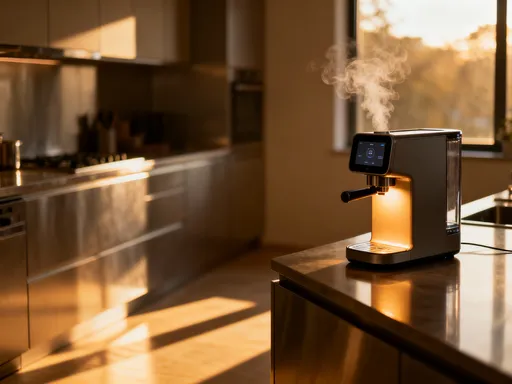
That tiny moment sparked a shift in how I saw time. I’d always thought of productivity in big blocks: an hour to clean, 30 minutes to exercise, a full evening to catch up on chores. But what about the in-between moments? The five minutes waiting for the coffee machine. The ten minutes while dinner finishes cooking. The time between finishing a work email and my next Zoom call. I’d been treating those as empty space—time too short for anything real. But what if they weren’t empty at all? What if they were actually full of potential?
I started paying attention. I noticed how often I reached for my phone during these gaps, usually to scroll through social media or check the news—activities that left me feeling drained, not accomplished. What if, instead, I used that time to do something small but meaningful? I began testing it: paying a bill while waiting for my tea to steep, confirming a subscription renewal during a child’s homework break, checking my balance while the laundry loaded. Each action took less than two minutes. But together, they added up. Within a week, I’d cleared four bills—without setting aside a single “budget hour.” I wasn’t doing more. I was just using time I already had, more intentionally.
This wasn’t about being perfect. Some days, I still forgot. Some days, I defaulted to scrolling. But the more I did it, the more natural it felt. And the payoff was immediate: fewer reminders, no late fees, and a growing sense of calm. I wasn’t waiting for a crisis to act. I was staying ahead, one small tap at a time.
Choosing the Right Tool for Effortless Payments
Of course, none of this would have worked if the technology felt like a chore. I tried a few different apps before I found one that truly fit my life. The first one I used required me to log in every time, enter my password, and navigate through three menus just to see my pending bills. After two uses, I gave up. It wasn’t saving me time—it was adding friction. Another app sent so many notifications I started ignoring them altogether. I needed something that felt quiet, simple, and almost invisible—something that worked with me, not against me.
What I finally landed on was different. It synced automatically with my bank and key service providers—electricity, internet, phone, insurance. As soon as a bill was issued, it showed up in the app with a clear due date and amount. No hunting. No guessing. The real game-changer? One-tap payments. Once I set up my default payment method, I could pay most bills with a single tap and a quick fingerprint scan. No typing, no waiting, no stress. It felt like having a calm, organized assistant who quietly handed me exactly what I needed, right when I needed it.
The app also categorized my spending automatically—groceries, utilities, subscriptions—so I could glance at a summary and see where my money was going. That wasn’t the main reason I started using it, but it became a surprising bonus. I began noticing patterns: I was paying for two streaming services I barely used, and my phone bill had a recurring fee I didn’t remember signing up for. With a few taps, I canceled what I didn’t need. That alone saved me over $40 a month—more than the cost of my weekly groceries.
And because it worked across all my devices, I could start something on my phone and finish it on my tablet if I wanted. I didn’t have to be at my desk or on Wi-Fi. Whether I was at the park, in the carpool line, or folding laundry, I could take care of what mattered. The best part? It didn’t demand my attention. It didn’t buzz constantly or nag me with pop-ups. It was there when I needed it, and silent when I didn’t. That balance—presence without pressure—was exactly what my busy life required.
Building a Habit Around Micro-Moments
I didn’t try to overhaul my routine all at once. That’s how habits fail. Instead, I attached this new behavior to things I was already doing. After I checked my email in the morning, I’d open the payment app and scan for any due dates. While my tea steeped, I’d confirm a payment. During commercial breaks while watching a show with my family, I’d clear a small task. These weren’t new activities—they were replacements for the mindless scrolling I used to do. And because they took less than a minute, they didn’t feel like a burden. They felt like a win.
At first, I had to remind myself. I’d set a sticky note on my phone: “Check app before scrolling.” But after a few weeks, it became automatic. The notification light would flash, and instead of dreading it, I’d think, “Oh, good—I can knock that out now.” That shift in mindset was everything. I wasn’t avoiding the task anymore. I was welcoming the chance to clear it. Each small action built confidence. Each completed payment was a quiet victory, a reminder that I was in control.
I also stopped thinking in terms of “bills” and started thinking in terms of “peace.” Every payment wasn’t just a transaction—it was a way of protecting my calm. It was me saying, “I’ve got this. I’m on top of it.” And over time, that sense of agency spilled into other areas of my life. I started planning meals earlier. I began setting reminders for school events. I even started journaling for five minutes a night. The habit didn’t just change how I managed money—it changed how I managed myself.
And because it was built on tiny, consistent actions, it was sustainable. I didn’t need motivation. I didn’t need a perfect day. I just needed a few spare moments and my phone. That made it easy to keep going, even on the busiest days. When my daughter was sick and I had a deadline at work, I could still pay the gas bill while waiting for her medicine to be ready. Those moments added up, not just in time saved, but in emotional relief.
How This Changed More Than Just Finances
Paying bills used to be a chore. Now, it’s part of my self-care. That might sound strange, but it’s true. Taking care of small responsibilities—before they become big problems—is a form of kindness to my future self. It’s me saying, “I don’t want you to stress later. I’ve got this covered.” And that mindset shift has had ripple effects throughout my life.
My family has noticed. My husband stopped asking, “Did you pay the internet bill?” every week. My daughter doesn’t complain about the Wi-Fi cutting out. Our evenings are calmer, less frantic. We’re not living in the shadow of forgotten tasks. And that extra peace has given me space—real, tangible space—to focus on what matters. I help my son with his math homework without checking my phone every two minutes. I plan weekend walks instead of rushing to fix a service outage. I even take a few deep breaths before bed, just to reset.
I’ve also become more aware of my time. I used to think I didn’t have enough of it. Now I see that I was just letting small moments slip away. By using them wisely, I’ve reclaimed hours—over 14 a month, by my rough estimate. That’s more than half a day of extra time, just from paying attention to the gaps. And I didn’t get that time by working harder. I got it by working smarter, by aligning technology with my real life.
There’s a quiet pride that comes with this. Not because I’m some tech genius—I’m not. But because I’ve built a system that supports me, not stresses me. I feel more grounded. More capable. More like the version of myself I’ve always wanted to be: organized, present, and in charge.
Sharing the Habit with Others
I told my sister about it over coffee one weekend. She was stressed about a late fee she’d just paid. I showed her how I used my lunch break—while waiting for her sandwich to be ready—to clear two small payments. She tried it that same day. A week later, she texted me: “I paid my phone bill while waiting for the school pickup line. I can’t believe I never thought to use that time.”
It wasn’t about teaching her how to use an app. It was about shifting her perspective. These tiny actions, when repeated, create momentum. My neighbor started doing the same. She’d open the app while waiting for her kids’ piano lesson to end. Another friend began using her morning coffee queue to review her upcoming bills. We weren’t forming a formal group—we were just sharing a simple idea: that small moments matter.
One friend said something that stuck with me: “I feel like I’m finally managing life, not just surviving it.” That’s exactly how I felt. It’s not about being perfect. It’s about being consistent. It’s about using what you have, where you are, to make things a little easier. And when you do that, the benefits multiply. Less stress. More trust. More time. More peace.
What’s beautiful is that this isn’t about tech for tech’s sake. It’s about tech that serves life. It’s about tools that disappear into the background and let you focus on what’s in front of you—your family, your goals, your breath. When technology works that way, it doesn’t feel cold or complicated. It feels like support. Like a quiet hand on your back, saying, “You’ve got this.”
Making the Most of Your Time, One Tap at a Time
Technology works best when it disappears into the background of life. It shouldn’t demand your attention or add complexity. It should simplify, support, and empower. That’s what this habit has taught me. I didn’t need willpower or a strict schedule. I just needed awareness—and the right tool. Once I saw those scattered minutes not as lost time, but as hidden opportunities, everything changed.
Those five-minute gaps weren’t empty after all. They were pockets of power, waiting to be used. And now, instead of racing against time, I feel like I’m moving with it—calm, steady, and fully present. I’m not chasing deadlines. I’m staying ahead of them. I’m not stressed about money. I’m managing it with ease. And I’m not just surviving my days—I’m enjoying them.
This isn’t about becoming a productivity robot. It’s about creating space for what matters. It’s about giving yourself the gift of peace, one small action at a time. And the best part? You don’t need to change your life to start. You just need to use the moments you already have, a little differently. Open the app. Tap once. Breathe. You’ve just done something that matters. And over time, those small taps add up to something big: a life that feels lighter, clearer, and more in your control.