More than saving: How coupon apps quietly improved my health without trying
We’ve all been there—rushing through the grocery store, grabbing whatever’s on sale, only to realize later that our "smart" choices left us with a cart full of snacks we didn’t really want and a waistline that noticed. I used to think coupon apps were just about cutting grocery bills. But over time, something unexpected happened. Without even realizing it, the small habits I built around tech-powered savings started shaping healthier choices—for my family, my body, and my daily rhythm. It wasn’t about dieting. It was about how tiny, consistent decisions, guided by the right tools, quietly transformed my physical well-being.
The Accidental Connection Between Savings and Health
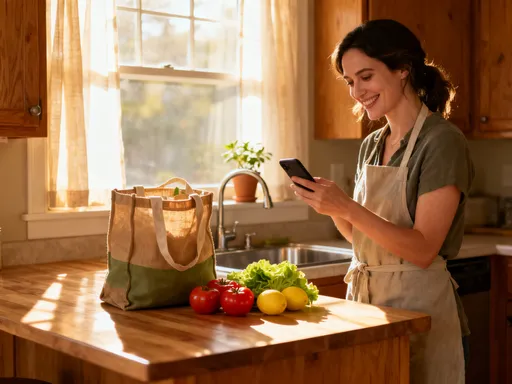
I remember the exact moment it hit me. I was standing in the produce aisle, phone in one hand, reusable bag in the other, checking off items on my digital list. "Organic apples—on sale. Spinach—50% off with app. Almond milk—bonus points today." And it wasn’t just a grocery list. It was a plan. A real one. For years, I’d wandered the store like a hungry ghost, grabbing chips, cookies, anything that caught my eye at the end of a long day. My idea of “healthy” was vague, and my savings strategy? Pure luck. But when I started using a coupon app seriously—not just occasionally—I noticed something strange: my cart was changing. Not because I was trying to eat better, but because the app was quietly steering me that way.
At first, I didn’t trust it. Could a little phone notification really make me healthier? I wasn’t tracking calories or counting macros. I wasn’t even trying. But the more I relied on the app for deals, the more I found myself planning meals in advance, checking expiration dates, and actually sticking to my list. And slowly, the processed snacks disappeared. The frozen meals lost their appeal. Instead, I was drawn to the deals on fresh berries, Greek yogurt, and whole grain bread. It wasn’t willpower. It was design. The app made the healthy choice the easy choice—the cheaper, faster, more convenient one. And that’s when I realized: technology wasn’t just helping me save money. It was helping me take better care of myself, one grocery trip at a time.
From Impulse Buys to Intentional Choices
Let’s be honest—impulse buying is a trap we all fall into. One minute you’re in the dairy section, and the next you’re tossing a family-sized bag of chocolate cookies into your cart because they’re “half off.” We’ve all done it. I used to come home feeling proud of my savings, only to regret it the next morning when I reached for a second cookie—then a third. But once I committed to using a coupon app with real intention, that cycle started to break. The app required me to plan ahead. I had to load digital coupons before shopping. That meant I had to think about what I needed—what my family would actually eat—before I stepped into the store.
And that small shift changed everything. Instead of grabbing whatever was flashy or on end-cap displays, I started building my list around what was on sale. And guess what? The sales weren’t on candy bars or soda. They were on bananas, frozen vegetables, and low-sugar oatmeal. I started swapping out my usual sugary cereal for a high-fiber alternative—because the app gave me a $2 discount if I bought two boxes. I switched from pre-packaged muffins to making my own with a discounted bag of whole wheat flour and a sale on blueberries. These weren’t drastic changes. No deprivation. No guilt. Just smarter swaps, nudged by savings. And over time, those little choices added up. I wasn’t fighting cravings. I was outsmarting them—with the help of an app.
What surprised me most was how much more in control I felt. There’s a quiet confidence that comes from walking into a store with a plan. No more last-minute decisions under fluorescent lights. No more “I’ll just grab this for now” moments. I was making choices on my terms, not the store’s. And that sense of control spilled over into other areas of my life. I started packing lunches instead of buying them. I drank more water because I’d stocked up during a “buy one, get one free” deal on bottled water. It wasn’t about perfection. It was about progress. And the app made it feel effortless.
Building a Routine That Works With Your Life
One of the biggest myths about healthy living is that it takes a lot of time and energy. But what if it didn’t? What if the secret wasn’t in overhauling your life, but in weaving small, sustainable habits into the rhythm of your day? That’s exactly what happened when I started using the coupon app as part of my routine. I didn’t set out to build a new lifestyle. I just wanted to save money. But the app’s design naturally encouraged consistency. Every Sunday night, I’d sit down with my phone and scan through the weekly deals. It became a ritual—like checking the weather or planning my outfits for the week. I’d think, What meals can we make with these ingredients? What do the kids actually like that’s also on sale?
The app sent gentle reminders—push notifications when coupons were about to expire. At first, I found them annoying. But then I realized they were actually helpful. That “expiring soon” alert became a nudge to finalize my meal plan. It kept me on track. And when I synced my grocery list with our family calendar, everything clicked. If I knew we had a busy week with soccer practice and piano lessons, I’d load coupons for quick, healthy meals—think pre-cut veggies, rotisserie chicken, or microwaveable quinoa. No last-minute takeout. No stress. Just real food, ready when we needed it.
The real magic was in the reward system. Every time I used a coupon, I saw the savings add up. That little “$8.47 saved this trip!” message at checkout? It felt like a win. And those small wins built momentum. I wasn’t just saving money—I was proving to myself that I could make better choices, consistently. And because the system didn’t demand perfection, it was sustainable. If I forgot to load a coupon, no big deal. If the kids begged for a treat, we’d find a healthier option on sale. The app didn’t judge. It just helped. And over time, that support turned into real confidence. I wasn’t just managing groceries. I was managing my health—without even realizing it.
Health Benefits Hidden in Plain Sight
After about three months of using the app regularly, I started to notice changes—small at first, then impossible to ignore. I had more energy in the mornings. I wasn’t dragging through the day like I used to. I wasn’t reaching for that 3 p.m. candy bar anymore. And my digestion? So much better. I didn’t set out to fix any of these things. But looking back, it made sense. I was eating more fiber, more fresh produce, more whole foods—all because they were on sale. I wasn’t cutting anything out. I wasn’t on a diet. I was just buying smarter.
One of the most surprising shifts was in my hydration. The app had a recurring deal: “Buy 2, get 1 free on bottled water.” So I started stocking up. At first, it was just about the savings. But soon, I had water everywhere—in my bag, in the car, on the kitchen counter. And because it was so easy to grab, I started drinking more. No effort. No tracking apps. Just access. And within weeks, I noticed I wasn’t as bloated. My skin looked clearer. I even slept better. It wasn’t a miracle. It was consistency.
I also started trying new things—healthy brands I’d never considered before. The app had a “try something new” challenge: scan a product you’ve never bought, get 50 bonus points. So I picked up a bag of roasted chickpeas. Then a bottle of kombucha. Then a box of lentil pasta. Some I loved. Some I didn’t. But the act of trying kept me curious. It kept me engaged. And it expanded my idea of what “normal” food could be. I wasn’t stuck in a rut anymore. I was exploring—on a budget. And that sense of discovery made healthy eating feel fun, not like a chore.
Tech as a Silent Wellness Partner
We often think of wellness tech as fitness trackers, meditation apps, or sleep monitors. But what if the tools that support our well-being are already in our pockets—hiding in plain sight? That’s how I started to see my coupon app. It wasn’t just a money-saving tool. It became a silent partner in my health journey. I didn’t have to log meals or count points. The app did the work for me—by shaping my choices before I even walked into the store.
One of the most eye-opening moments came when I looked at my monthly spending report in the app. I could see exactly what I was buying, when, and how much I was saving. And when I compared that to how I was feeling, patterns emerged. On weeks when I bought more fresh produce and whole grains, I had more energy. On weeks when I skipped the produce deals and went for convenience foods, I felt sluggish. The data didn’t lie. And it wasn’t judgmental. It was just there—clear, neutral, helpful. That kind of insight used to require a journal or a coach. Now, it’s built into an app I was already using.
I even started linking it to other parts of my routine. I noticed that on days when I walked more—tracked by my step counter—I was more likely to use the app to plan healthy meals. On nights when I slept poorly, I was more tempted by sugary snacks. But because I could see the patterns, I could make small adjustments. If I knew I’d had a rough night, I’d load extra coupons for healthy breakfasts—like oatmeal or hard-boiled eggs—to set a better tone for the day. The tech didn’t fix everything. But it gave me awareness. And awareness is the first step toward change.
Making It Work for Your Household
One of the best parts of this journey has been bringing my family along. I used to feel like the only one responsible for healthy eating. But once I started using the app together with my kids, everything changed. I set up a shared grocery list. I showed them how to scan deals. I let them pick one “fun but healthy” item each week—like frozen fruit bars or whole grain crackers—using a coupon. Suddenly, grocery shopping wasn’t a chore. It was a game. A mission. “Mom, the app says avocados are half off—can we try that smoothie recipe?” my daughter asked one week. And just like that, we were cooking together, trying something new, saving money, and eating better—all because of a little alert on her phone.
I also assigned small roles. My son helps me check the list before we leave. My husband likes to compare prices in-store to make sure we’re really getting the best deal. It’s become a team effort. And that’s made it stick. When everyone feels involved, no one feels deprived. We’re not perfect. We still have pizza nights. We still grab ice cream sometimes. But now, even those treats are smarter—because we use coupons for lower-sugar options or buy in bulk to save. The app hasn’t taken over our lives. It’s just made our lives a little easier, a little healthier, and a lot more connected.
The real win? My kids are learning healthy habits without even realizing it. They’re learning to plan, to compare, to make thoughtful choices. And they’re doing it in a way that feels fun and rewarding. That’s the kind of foundation that lasts—not because I forced it, but because technology made it natural.
A Smarter, Lighter Way to Live
Looking back, I realize I didn’t set out to transform my health. I just wanted to save a few dollars on groceries. But sometimes, the smallest tools lead to the biggest changes. What started as a simple way to cut costs quietly reshaped my eating habits, my energy levels, and even my family’s relationship with food. I’m not saying coupon apps are a magic solution. But I am saying they can be a powerful ally—if you let them.
The truth is, we don’t need big overhauls to feel better. We don’t need strict rules or complicated plans. What we need are small, consistent actions that fit into our real lives. And when technology supports those actions—when it makes the healthy choice the easy, affordable, even fun choice—it becomes more than a tool. It becomes a partner in well-being.
So if you’re feeling stuck, overwhelmed, or just too busy to focus on your health, I’d invite you to look at your daily routines with fresh eyes. Is there a small habit you could tweak? A digital tool you’re already using that could do a little more? You don’t have to start from scratch. You don’t have to be perfect. You just have to begin—where you are, with what you have. Because sometimes, the quietest changes are the ones that last the longest. And sometimes, saving money is the first step toward saving yourself.