Tired of Family Chaos from Endless Screen Time? This Changed Everything
We’ve all been there—dinner interrupted by a child’s game notification, a partner missing an important call because their phone was on silent, or teens glued to social media when chores are piling up. It’s not about banning devices, but about regaining control. I felt the same frustration—until I discovered how simple app permission settings could transform our family’s rhythm, bringing us more time, peace, and presence. What started as a small experiment turned into a lasting shift in how we connect, rest, and live together. And the best part? It didn’t require new gadgets, expensive subscriptions, or strict screen-time rules that no one follows. Just a few thoughtful adjustments that made all the difference.
The Breaking Point: When Screens Broke Our Family Flow
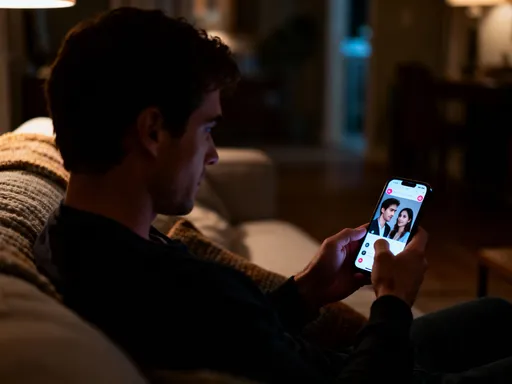
It was a Tuesday evening, and I thought we were doing okay. Dinner was on the table—something simple but warm, the kind of meal that’s supposed to bring everyone together. But instead of conversation, I heard the constant ping of messages, the tap-tap-tap of fingers on screens, and the occasional burst of laughter from a video someone was watching—alone, even though we were all in the same room. My youngest was halfway through his chicken nuggets when his game buzzed, pulling him back into a world I couldn’t see. My husband glanced up just long enough to say, ‘Did you text me?’ before diving back into his email. And my daughter? She didn’t even look up. Her phone was propped up beside her plate like a silent guest who got more attention than any of us.
That night, I didn’t yell. I didn’t throw the router out the window. I just sat there, stirring my cooling soup, feeling strangely invisible. We were all present—but none of us were really there. And that’s when it hit me: our devices weren’t just tools anymore. They had become invisible forces shaping our days, stealing moments, and quietly eroding the rhythm of our family life. I realized the problem wasn’t the phones themselves. It was how we were letting apps run the show—how they decided when we paid attention, what we focused on, and even how we felt.
I used to think screen time was just about how long we looked at our devices. But I was wrong. It’s not just about duration—it’s about interruption. It’s about how often we get pulled out of real life by a buzz, a pop-up, or a flashing icon. And that’s where I began to look deeper. Not at screen time limits, but at something most of us ignore: app permissions. I had no idea that these tiny settings—buried in our phone’s menu—were giving apps the green light to interrupt us, track us, and keep us hooked. And once I started paying attention, everything changed.
What Are App Permissions—and Why They Matter at Home
If you’re like me, you probably tap “Allow” on app permissions without a second thought. Location access? Sure. Camera? Why not. Notifications? Yeah, go ahead. We do it because it’s fast, because we want the app to work, or because we don’t fully understand what we’re agreeing to. But here’s the thing: every time we grant a permission, we’re giving an app a piece of our attention, our time, and sometimes even our privacy. Think of app permissions like keys. Each one unlocks a different part of your phone—your microphone, your contacts, your calendar, your location. And just like you wouldn’t hand out house keys to strangers, you might want to be more careful about which apps get access to what.
Take notifications, for example. That game your son downloaded? It doesn’t just want to send a message when it updates. It wants to notify him every time a friend logs in, every time he can claim a reward, every time there’s a limited-time offer. These aren’t innocent alerts—they’re designed to pull him back in, again and again. And because we’ve allowed it, the app has permission to interrupt family time, homework, even bedtime. The same goes for social media apps. They don’t just want to share photos. They want to ping you when someone likes your post, when a friend is online, when there’s a new trend you “can’t miss.” These constant nudges create what I call the “attention tax”—a small cost every time you stop what you’re doing to check your phone. But those little interruptions add up. Over a day, they can steal hours of focus, connection, and calm.
What I realized is that managing app permissions isn’t just about security or privacy—it’s about peace. It’s about deciding who gets to interrupt your family dinner, your quiet evening, or your child’s homework. When I started reviewing these settings, I wasn’t trying to lock down our devices. I was trying to create space—space for real conversation, for deep focus, for stillness. And the most surprising part? My kids didn’t hate it. In fact, once we explained why we were making changes, they felt more in control. They weren’t being punished. They were being empowered. And that made all the difference.
How We Started: A Simple Sunday Experiment
I didn’t want to turn this into a lecture or a top-down rule. I wanted it to feel like a family project—something we did together, not to each other. So one Sunday afternoon, with the sun streaming through the kitchen window and the house finally quiet, I suggested we try something new. “Let’s do a tech check-in,” I said. “No judgment. No scolding. Just curiosity. We’re going to look at our phones like we’re exploring a new recipe—figuring out what’s in it and how it affects us.” My daughter rolled her eyes, of course. My son asked if he’d lose his games. But they both sat down with their devices, and so did my husband and I.
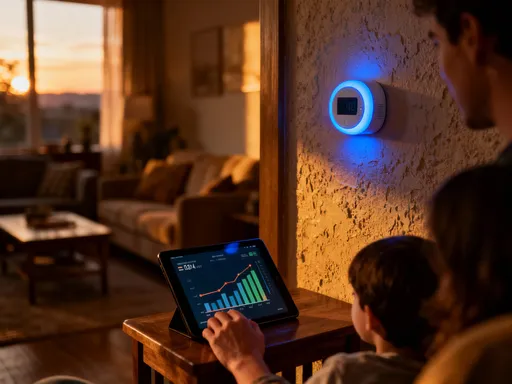
We started with notifications. One by one, we went through our phones and asked: “Which apps really need to make noise?” We turned off alerts for games, shopping apps, and social media—anything that wasn’t essential. We kept notifications for messages, calls, and calendar reminders, but silenced everything else. The change was almost instant. Within minutes, the house felt quieter, even though we were all still on our phones. Then we looked at background app activity—those apps that keep running even when you’re not using them. Did your weather app really need to update every five minutes? Did your fitness tracker need to ping you at 9 p.m. about your step count? We limited what could run in the background, which not only reduced distractions but also helped our batteries last longer.
The most powerful part was doing it together. We weren’t policing each other. We were learning. My son discovered that his favorite game was sending him five notifications a day—even when he wasn’t playing. My daughter realized her music app was tracking her location, which creeped her out a little. We laughed, we shared, and we made choices. That Sunday didn’t fix everything, but it started a conversation. It showed us that we weren’t powerless against our devices. We could shape how they worked for us, not the other way around. And that sense of control? It was contagious.
Reclaiming Time: From Scattered Moments to Meaningful Routines
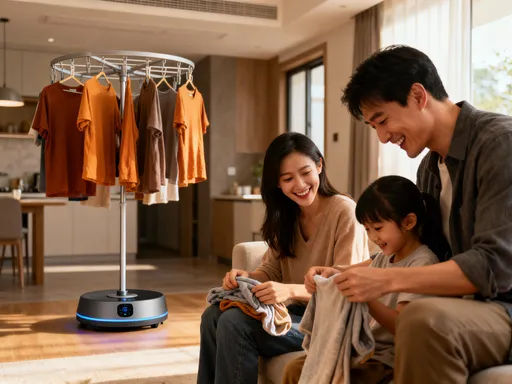
In the weeks that followed, something subtle but profound happened. Our days began to feel… longer. Not because we had more hours, but because we weren’t losing so many of them to tiny distractions. My son finished his homework faster because he wasn’t stopping every few minutes to check a game alert. My daughter started reading before bed again instead of scrolling through endless videos. Even our evenings changed. Without the constant buzz of notifications, we actually talked. We shared stories about our days. We played board games. We sat on the porch and watched the sky turn pink. It wasn’t that we were doing anything extraordinary. We were just present.
I started to notice how many moments I used to miss. The way my husband smiles when he tells a funny story. The sound of my daughter humming while she draws. The quiet pride in my son’s voice when he says, “I did it myself.” These weren’t grand events—they were the small, sacred pieces of family life that get buried under digital noise. By reducing the “attention tax,” we weren’t just saving time. We were reclaiming connection. I began to think of app permissions as filters—not for photos, but for life. They helped us decide what got through and what stayed out. And the more we filtered, the more we noticed how much richer our days could be.
It wasn’t about cutting out technology. We still used our devices for school, for work, for fun. But now, we were using them with intention. We watched movies together. We video-called grandparents. We looked up recipes and followed cooking tutorials. The difference was that we were choosing when and how to engage—not reacting to every ping. That shift—from reactive to intentional—changed everything. It turned our home from a place of constant interruption into a space of calm and connection. And honestly? I didn’t even realize how much I’d missed that until it came back.
Empowering Each Family Member: Age-Appropriate Control
One of the biggest lessons I learned was that one size doesn’t fit all. What works for a 10-year-old isn’t the same as what works for a 15-year-old—or for me, as a parent juggling work and home. So we started tailoring our approach. For my younger son, we kept things simple. We turned off notifications for games and social apps altogether. We set clear rules: no location sharing, no camera access for non-essential apps. And we used parental controls to make sure he couldn’t change settings without asking. But we didn’t treat it like a punishment. Instead, we framed it as protection—like wearing a seatbelt. “These settings help keep you safe and focused,” I’d say. “Just like how we lock the front door, we lock down what apps can do.”
With my daughter, we took a different approach. At 15, she needed more independence, but she also needed guidance. So we had conversations—real ones—about why certain permissions matter. We talked about how location tracking can feel invasive. How constant notifications can make it harder to focus or relax. And how some apps are designed to keep us hooked. Then, together, we reviewed her settings. She made most of the decisions, with my support. And you know what? She started turning off her game notifications before homework—on her own. She even asked to limit her social media app’s background activity so it wouldn’t drain her battery. Watching her take ownership of her digital habits was one of the most rewarding parts of this journey.
But it wasn’t just about kids. My husband and I looked at our own habits too. We realized how often we’d check work emails late at night or scroll through news apps during dinner. So we adjusted our settings as well—turning off non-essential notifications, setting “do not disturb” hours, and limiting app access during family time. It wasn’t about being perfect. It was about progress. And by modeling mindful tech use, we showed our kids that this wasn’t just a rule for them—it was a value for all of us.
The Ripple Effect: Better Sleep, Less Stress, More Togetherness
One of the most unexpected benefits was how much better we all began to sleep. I used to think my daughter’s trouble falling asleep was just a phase. But once we limited location and notification access at night—especially for social media and games—she started winding down more easily. No more blue light buzzing with updates at 9:30 p.m. No more anxiety about missing a message. Her phone was still in her room, but it wasn’t working against her rest. The same went for my son. He used to wake up groggy, checking his device before his feet even hit the floor. Now, with fewer morning alerts, he starts the day calmer, more centered.
And it wasn’t just sleep. We noticed less tension in the house. Fewer arguments about screen time. Less frustration when someone was “always on their phone.” Because the interruptions had slowed, we were less reactive. We had more patience. We listened better. Even our pets seemed calmer—though maybe that’s just wishful thinking. The point is, small tech tweaks created a ripple effect. They didn’t just change how we used our devices. They changed how we felt. We were less anxious. More present. More connected. We weren’t chasing the next notification. We were enjoying the moment we were in.
I remember one evening, a few weeks after our first tech check-in, when all four of us were sitting in the living room—no screens, no distractions. We were just talking, laughing, and sharing stories. And in that moment, I felt a deep sense of gratitude. Not because we’d done something extraordinary, but because we’d reclaimed something ordinary: time together. Real, unbroken, unhurried time. And that, I realized, was the greatest gift of all.
A New Normal: Building a Family Culture of Digital Mindfulness
This isn’t a one-time fix. It’s not a hack or a quick solution. It’s become part of our family rhythm—something we return to, just like we change the clocks for daylight saving or clean out the pantry each season. Every few months, we do another tech check-in. We review our settings. We talk about what’s working and what’s not. Sometimes we make new adjustments. Sometimes we leave things as they are. But the act of checking in—of pausing to reflect on how we’re using technology—keeps us aligned with our values.
What started as a reaction to digital chaos has become a practice of care. We’ve learned that technology doesn’t have to pull us apart. When used with intention, it can actually bring us closer. It can help us stay in touch with loved ones, learn new things, and make life easier. But only if we’re in charge. By managing app permissions, we didn’t just reduce distractions. We created space—for attention, for connection, for peace. We didn’t get more time in the day, but we got more out of our time. And in a world that feels increasingly fast and fragmented, that’s everything.
If you’re feeling overwhelmed by screen time, I want you to know this: you’re not alone. And you don’t have to ban devices or declare a digital detox. You just need to take back a little control. Start small. Try a family tech check-in. Look at your notifications. Turn off what doesn’t serve you. Talk about it. Make it a habit. Because when we align our technology with our values, we don’t just get better screen habits. We get better days. We get more of what matters—each other.