What if Your Neighborhood Could Slash Energy Bills—Starting Tonight?
Imagine coming home to lower electricity bills, a more comfortable house, and the quiet pride of knowing your community is doing something meaningful—without any big investments or complicated tech. It’s not magic. It’s not some futuristic dream. It’s just smart, simple energy settings, shared and supported by the people around you. What if you didn’t have to figure it out alone? What if the key to saving energy wasn’t in a fancy new gadget, but in the living room down the street, where neighbors are already talking about the same frustrations you feel every time that bill arrives?
The Moment I Realized My Thermostat Was Working Against Me
I used to think I was doing fine. I’d turn down the heat when we went on vacation. I’d remind the kids to close the door. I even had one of those smart thermostats—the kind with the sleek screen and the app on my phone. But one winter, when my electricity bill jumped by nearly 40 percent, I couldn’t ignore it anymore. I sat at the kitchen table with my last three bills spread out, and I felt that familiar mix of confusion and frustration. How could this be happening? We weren’t using more heat. We weren’t running extra appliances. So what changed?
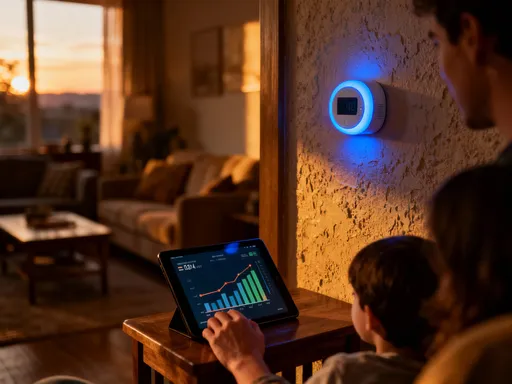
That’s when I opened the thermostat app—not to adjust the temperature, but to really look at how it was being used. And that’s when I saw it: the schedule. While I thought I’d set it to lower the heat at night, it had somehow reverted to an old setting. For months, our house was being heated to 72 degrees all night, every night, even when we were asleep and bundled under blankets. No wonder the bill was high. I adjusted it to 65 during sleeping hours and set it to warm up just before we woke. Two weeks later, my next bill dropped by 18 percent. Eighteen percent—just from one small, overlooked setting.
It wasn’t a new device. It wasn’t solar panels or insulation upgrades. It was simply using what I already had—correctly. That moment changed everything for me. I realized I wasn’t lazy or careless. I just didn’t have the support or the knowledge to catch these things on my own. And if I was missing something this simple, how many other people were, too?
Why Going It Alone Never Really Works
We’re taught that saving energy is a personal responsibility. Turn off the lights. Unplug the charger. Buy the efficient model. And while those things matter, they only go so far when you’re doing them in isolation. I tried tracking my usage, setting reminders, even posting notes on the fridge. But life gets busy. Kids have soccer practice. Work deadlines pile up. And before I knew it, I’d forgotten to adjust the thermostat for daylight saving time, and we were heating an empty house for two extra hours every day.
What I didn’t realize then was that behavior change isn’t just about willpower—it’s about community. When you’re the only one in your circle trying to save energy, it feels like a chore. You start to wonder, “Am I the only one who cares?” You feel a little guilty when you forget, but there’s no one to gently remind you. No one to say, “Hey, did you see that thing about lowering your water heater temperature?” Without that shared awareness, even the best intentions fade.
And let’s be honest—sometimes it feels a little lonely. Trying to make sustainable choices while everyone else seems to be living on autopilot can make you feel like you’re fighting an uphill battle. But what if it didn’t have to be that way? What if saving energy wasn’t a solo mission, but a shared journey? What if instead of feeling like the odd one out, you were part of a group where everyone was learning, adjusting, and celebrating small wins together?
That’s when it hit me: the real power isn’t in the technology. It’s in the connection. When people come together around a common goal, habits stick. Motivation stays high. And what feels like a burden becomes a shared purpose. Energy savings isn’t just about numbers on a screen. It’s about feeling supported, seen, and part of something bigger.
How We Started Small—And Why That Mattered
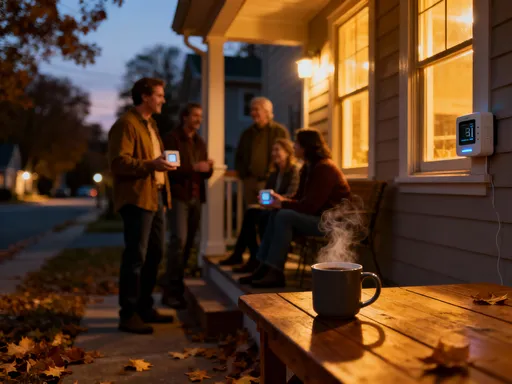
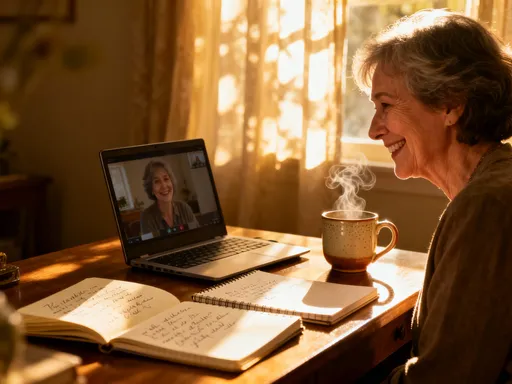
I didn’t start with a neighborhood-wide campaign. I didn’t hand out flyers or knock on every door. I started with coffee. One Saturday morning, I invited three neighbors over—people I’d waved to for years but never really talked to about anything deeper than the weather. I said, “I’ve been trying to lower my energy bill, and I’m realizing I don’t know nearly as much as I thought. Want to figure it out together?”
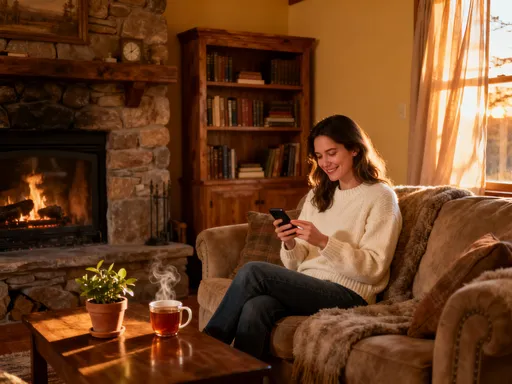
That first meeting was low-key. We sat in my living room, mugs in hand, with no agenda and no pressure. I shared my thermostat story. One neighbor admitted she had no idea how to use her smart plug. Another said her dryer seemed to take forever, and she wondered if it was using too much power. We pulled out our phones, opened our utility apps, and compared notes. We didn’t have answers—but we had questions. And that was enough.
We created a shared Google Doc titled “Energy Tips from the Neighborhood.” At first, it was just a few bullet points: “Turn off lights when leaving the room,” “Use cold water for laundry.” But then someone added, “I set my coffee maker on a timer—saves energy and I wake up to the smell of coffee!” Another wrote, “I unplugged my guest room TV—was using power even when off!” These weren’t breakthroughs. They were small, simple things. But seeing them in writing, shared by people I knew, made them feel real and doable.
Starting small removed the pressure. We weren’t trying to save the planet in one night. We were just trying to save a little money and make our homes a bit more comfortable. And because we weren’t experts, no one felt judged. We could ask “dumb” questions like, “What does ‘standby power’ even mean?” and get honest answers. That first meeting sparked something. We agreed to meet again in two weeks. And then again after that. What began as curiosity became a habit—and a support system.
The One Setting Everyone Changed First (And What Happened Next)
After our second meeting, we all agreed to focus on one thing: thermostat schedules. It was something most of us had, and none of us were using to our full advantage. We shared screenshots of our settings, asked questions, and even did a little friendly troubleshooting. “Why does mine turn on at 5 a.m. when I don’t wake up until 7?” one neighbor asked. Another said, “I set mine to cool the house at noon, but we’re not home until 6—am I just cooling empty rooms?”
We learned that many of us were heating or cooling our homes when no one was there. Some thermostats had default settings we’d never changed. Others had been reset after power outages. A few of us didn’t even know you could program different temperatures for different times of day. So we walked through it together—step by step, in plain language. No jargon. No manuals. Just real talk: “On weekdays, I lower the heat to 65 at 10 p.m. and set it to warm up at 6:30 a.m. It’s cozy when we wake up, but we’re not wasting energy all night.”
Within a month, nearly every household in our little group had adjusted their schedule. And the results? Real savings. One family saw their winter bill drop by $42. Another saved $30 on cooling in the spring. We started a simple spreadsheet to track our monthly totals (anonymously, if preferred), and seeing the numbers go down was incredibly motivating. It wasn’t just about the money—it was about proving that small changes add up.
And then something unexpected happened: it spread. One neighbor mentioned the group to her sister across town. Another posted in the local Facebook group. People started asking, “How do I join?” We weren’t a formal organization. We didn’t have a name. But we had something better: trust, shared experience, and results. The thermostat became our gateway—simple enough to start with, powerful enough to make a difference.
Beyond the Thermostat: Lighting, Plugs, and “Set-It-and-Forget-It” Wins
Once we saw what was possible with thermostats, we got curious about other areas. “What else are we missing?” someone asked. That’s how we moved into smart plugs, motion-sensor lights, and app-based automations. Again, we didn’t rush out and buy everything. We focused on what we already had—or what was affordable and easy to install.
One neighbor shared how she used a $15 smart plug to control her holiday lights. “I used to leave them on all night,” she said. “Now they turn off at 11, and I don’t have to remember.” Another discovered that her entertainment center was drawing power 24/7—even when the TV was off. She put everything on a power strip and flipped the switch at bedtime. “I feel like I’m finally in control,” she said.
We also looked at lighting. Motion-sensor lights in hallways and garages were a game-changer for several homes. “I used to leave the garage light on for safety,” one dad said. “Now it turns on when I walk in and off after five minutes. Perfect.” We shared tips on using dimmers, switching to LED bulbs, and setting schedules for outdoor lights. The key was simplicity: if it required too many steps, people wouldn’t stick with it. But if it was “set it and forget it,” they loved it.
What surprised me most was how these small changes started to shift our mindset. We weren’t just saving energy—we were reclaiming time and peace of mind. No more worrying, “Did I leave the iron on?” No more guilt about leaving lights on. The tech wasn’t replacing us. It was supporting us. And when dozens of homes made these small shifts, the collective impact was significant. One member calculated that our group of 15 households saved over 4,000 kWh in six months—equivalent to taking a car off the road for two months.
Building Trust, One Tip at a Time
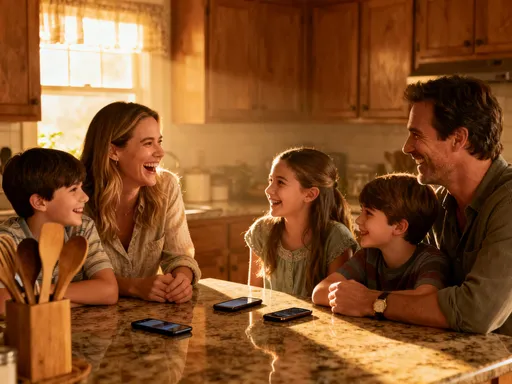
What kept us going wasn’t just the savings. It was the connection. Our monthly meetups became something to look forward to. We’d share updates, troubleshoot problems, and celebrate wins—big and small. “I remembered to adjust the thermostat for vacation!” “My daughter helped me set up the smart plug!” These might sound minor, but in the context of real life, they mattered.
We created a culture of encouragement. No one was shamed for forgetting. No question was too silly. When someone said, “I don’t even know where to find my breaker box,” instead of judgment, we offered help. “Want me to come over and take a look?” “I felt the same way—let’s figure it out together.” That kind of support made all the difference.
We also learned to celebrate progress, not perfection. If someone’s bill went up one month, we’d ask, “What happened?” Maybe they had guests. Maybe there was a cold snap. Instead of focusing on the number, we focused on the effort. And that made people want to keep trying. Trust grew slowly, but steadily. We weren’t just sharing energy tips—we were building friendships.
Over time, our group became more than a tech club. It became a space where we could talk about other things, too—parenting, work stress, even home repairs. Because we’d started with something practical and low-stakes, we’d built a foundation of trust. And that trust made everything else possible. We weren’t just neighbors. We were allies.
What We’ve Gained—And What You Could Too
Looking back, I’m amazed at what we’ve accomplished. Our group has grown to over 30 households across two neighborhoods. We’ve saved thousands of dollars collectively. More importantly, we’ve built something lasting—a community that supports each other, not just with energy, but with life.
We’ve gained confidence—not just in using technology, but in knowing we can make a difference. One woman told me, “I used to feel overwhelmed by all the ‘green’ advice. Now I feel capable. I know I don’t have to do everything. I just have to start.” That’s the power of small, shared steps.
And the benefits go beyond money. We know each other’s names. We wave. We check in. We feel safer, more connected, more rooted. In a world that often feels disconnected and fast-paced, we’ve created a space where care and curiosity thrive.
So here’s my invitation to you: don’t wait for a perfect plan. Don’t wait to be an expert. Start with one conversation. One question. One shared Google Doc. Reach out to a neighbor. Say, “I’m trying to save a little energy. Want to figure it out together?” You don’t need special skills. You just need curiosity and a willingness to share.
Because the truth is, technology works best when it’s human-powered. When it’s guided by real needs, real stories, and real connections. And when we bring our neighbors along, saving energy stops being a chore—and starts being a gift. A gift to our wallets, our homes, and each other. Imagine what could happen if your neighborhood started tonight.