Tired of losing Grandma’s handwritten recipes in the kitchen chaos? This changed everything
Have you ever held a faded recipe card, smudged with flour and years of love, only to realize it’s slipping away—both physically and from memory? I did. And I almost lost my grandmother’s secret dumpling technique forever. But what started as a desperate save became a joyful family tradition, powered not by fancy tech, but by simple tools we already use every day. This isn’t about digitizing the past—it’s about keeping it alive, together. That little moment in my kitchen changed how I see recipes, technology, and family. And I want to share how it can change yours too.
The Recipe That Almost Got Lost
It happened on a rainy Tuesday. I was cleaning out my kitchen drawers—something I promised myself I’d do every spring but never quite finished. Inside a chipped blue tin, I found a stack of recipe cards tied with a frayed ribbon. My heart jumped. There it was—Grandma’s chicken paprikash, written in her looping cursive, with little notes in the margin: “Use smoked paprika if you can find it,” and “Don’t rush the onions.” But one card was missing. The dumplings. The ones she used to make on Sundays, fluffy and light, with a pinch of nutmeg I could never quite replicate. I turned the tin upside down, shook it, even checked the back of the drawer. Nothing. Later, I found it—torn, crumpled, and stuck to the bottom of a cookbook I’d used to press herbs. The ink had faded, edges browned from years of grease and handling. I almost threw it out without realizing what it was.
That moment hit me like a wave. All these years, I’d taken for granted that these recipes would just… be there. But they’re not. They’re fragile. A spilled cup of tea, a flooded basement, a fire, or just time—any of them could erase decades of family history in minutes. And it wasn’t just the ingredients I was afraid of losing. It was her voice saying, “Now, don’t overmix it, or they’ll be tough.” It was the way she’d tap the spoon twice on the bowl before folding in the egg. Those details weren’t written down. They were lived. And if I didn’t act, they’d vanish with the paper.
I realized then that this wasn’t just about cooking. It was about memory. About legacy. About making sure the next generation could taste what I tasted, feel what I felt, when Grandma sat at that worn wooden table, flour on her apron, smiling as she passed me the rolling pin. So I made a promise—to myself, to her, to my kids—that I wouldn’t let it happen again. And that’s when I started looking for a better way.
Why Recipes Are More Than Instructions
We tend to think of recipes as just lists of ingredients and steps. But if you’ve ever made your mother’s lasagna or your aunt’s apple pie, you know it’s so much more. A recipe is a time capsule. It holds the warmth of a kitchen on a winter afternoon. It carries the laughter during holiday prep, the quiet comfort of a meal after a hard day. I remember standing beside my mom when I was ten, carefully layering noodles and sauce, listening to her hum an old song. I didn’t know it then, but I was learning more than cooking—I was learning love.
These dishes are tied to who we are. They connect us to our roots, to our culture, to the people who shaped us. Think about it: what’s the first thing you crave when you’re feeling low? For me, it’s my grandmother’s rice pudding—creamy, cinnamon-dusted, served in that chipped yellow bowl. It’s not just food. It’s comfort. It’s home. And when we lose a recipe, we lose a piece of that emotional anchor. We don’t just lose how to make the dish—we lose the story behind it, the memory of who made it, and why.
And it’s not just about nostalgia. These recipes are often the only physical links we have to people who are no longer with us. They’re handwritten. They’re stained. They’re imperfect—and that’s what makes them precious. I once found a note on the back of a cake recipe: “Made for Johnny’s 8th birthday—everyone loved it!” Johnny is my cousin, now in his 40s. That little sentence brought the whole day back—the balloons, the off-key singing, the way the cake tilted on the table. Without that note, would I have remembered? Maybe not. These recipes aren’t just instructions. They’re heirlooms. And like any heirloom, they need care.
The Digital Dilemma: Photos, Notes, and Forgotten Folders
So, like many of us, I tried to save my recipes the modern way. I snapped photos with my phone. I typed some into my notes app. I even saved a few as voice memos when I called my aunt for her famous potato salad. I felt good about it—like I was being responsible, tech-savvy, organized. But then, a few months later, I wanted to make Grandma’s dumplings for my daughter’s birthday. I searched “dumplings” in my photos. Nothing. I scrolled through my notes. Too many entries. I had “Grocery list,” “School pickup times,” and “Recipe from Mom” all mixed together. The voice memo? Buried under workout reminders and a recording of my kid’s school play.
It hit me: just because something is digital doesn’t mean it’s accessible. In fact, without a system, digital can be even more chaotic than paper. I had all these pieces, but no way to find them. And worse, the emotion was gone. A photo of a recipe card is just an image. It doesn’t capture the warmth of the moment it was written. A typed list loses the personality of the handwriting, the coffee stain that tells you it was used often, the crossed-out ingredient that shows someone experimented. I wasn’t preserving anything—I was just moving the clutter from one place to another.
And I know I’m not alone. So many women I talk to have the same story. They’ve taken photos, saved files, tried apps. But without a clear, simple system, it all gets lost in the digital noise. We mean well, but life is busy. Between work, kids, meals, and laundry, who has time to sort through hundreds of unorganized files? The result? Precious memories sit forgotten in folders named “IMG_1245” or “Notes 3.” The intention was there, but the structure wasn’t. And without structure, even the best tools fail us.
Turning Chaos into Connection with Simple Tech
The good news? You don’t need expensive software or tech skills to fix this. What you need is a little intention and the tools you already have. Your smartphone, your email, your cloud storage—they’re not just for work or social media. They can be your family’s recipe guardians. The key is to use them in a way that’s simple, consistent, and meaningful.
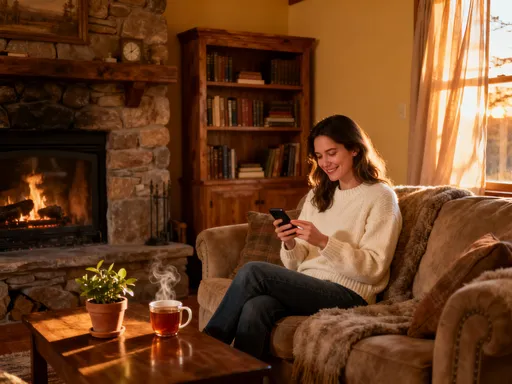
Start with your camera. Instead of just snapping a quick photo, take a moment to capture the whole story. Take a close-up of the recipe card, yes—but also a shot of the ingredients laid out, the pot on the stove, even your hands mixing the dough. Then, use your phone’s notes app to add context. Type in not just the ingredients, but the story: “Made this every Christmas with Mom,” or “Grandma always used her mother’s wooden spoon for this.” These little details bring the recipe to life.
Next, use cloud storage—like Google Drive or iCloud—to create a dedicated folder. Name it something warm and personal, like “Family Recipes” or “Kitchen Memories.” Inside, create subfolders: “Holiday Dishes,” “Comfort Foods,” “Grandma’s Favorites.” Then, upload your photos and notes. Label each file clearly: “Grandma’s Dumplings – 2024,” not “IMG_8923.” This makes it easy to search later. And because it’s in the cloud, it’s safe—even if your phone dies or your house floods.
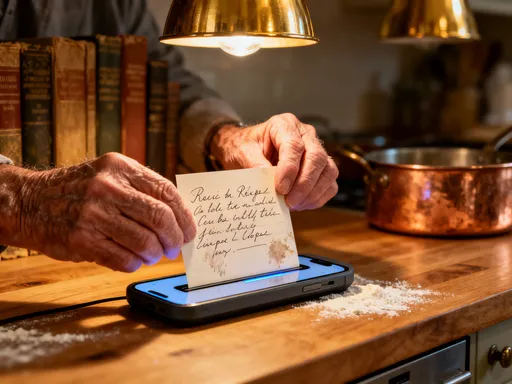
For audio lovers, try voice notes. Record your mom explaining how she seasons the stew, or your sister laughing as she admits she always burns the edges of the pie. These recordings add a layer of connection that text can’t. You can even link them to your digital recipe file. And if you’re old-school and love physical copies, scan your recipe cards using a free app like Adobe Scan or Microsoft Lens. It turns your phone into a mini scanner, and the app automatically crops and enhances the image. Then save the scan in your cloud folder. Now you’ve got a backup—and you can still keep the original safe in a drawer.
Building a Living Recipe Archive Together
Here’s the most beautiful part: this doesn’t have to be a solo project. It can be a family journey. I started by calling my mom and saying, “Let’s do this together.” We set aside one Sunday a month to go through old recipes. She’d read them aloud while I typed them in. My kids joined in—my daughter loved hearing the stories, and my son started asking questions like, “Why did Grandma use lard instead of butter?” That sparked a whole conversation about how cooking has changed over the years.
Then, we invited the cousins. We created a shared folder that everyone could access. My aunt added her famous rugelach recipe. My cousin in another state uploaded a video of her making her version of the dumplings—she adds spinach, which I’d never thought of. We started a little family chat where we’d share photos of our attempts, celebrate successes, laugh at flops. One time, my nephew tried the rice pudding and texted, “It tastes like Grandma!”—and we all cried a little.
This isn’t just about saving recipes. It’s about creating new memories while honoring the old ones. It’s about showing our kids that family isn’t just about blood—it’s about shared moments, shared stories, shared meals. When my daughter helped transcribe Grandma’s paprikash, she wasn’t just typing words. She was connecting with a woman she never met. She asked me, “Did she really sing while she cooked?” I said yes. Now, she sings too. That’s the magic of this process—it keeps love alive.
From Preservation to Creativity: Raising Young Innovators
Something unexpected happened once my kids got involved. They didn’t just copy the recipes—they started changing them. My son wanted to make the dumplings gluten-free. My daughter added herbs from our garden. At first, I hesitated. Was it okay to alter Grandma’s recipe? But then I realized: tradition isn’t about perfection. It’s about connection. And when our kids feel empowered to experiment, they’re not breaking the tradition—they’re continuing it.
Working with digital recipes made it easier to adapt. We could duplicate a file, label it “Dumplings – Sam’s Version,” and keep the original safe. No fear of ruining the only copy. This freedom to try, fail, and try again is priceless. It teaches resilience. It encourages curiosity. And it shows kids that their ideas matter.
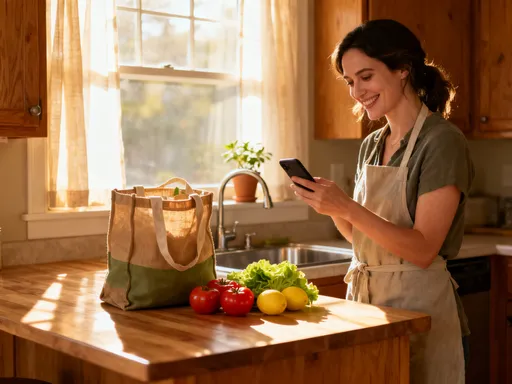
I’ve watched my daughter grow more confident in the kitchen—and in life. She plans meals, adjusts ingredients, even hosts little “tasting nights” for the family. She’s learning problem-solving, math, and creativity, all through cooking. And because the recipes are digital, she can access them anywhere—even at her dad’s house. This isn’t just about food. It’s about raising capable, thoughtful, innovative humans. And it all started with a few taps on a phone.
A Legacy That Grows, Not Just Stays
What I’ve learned is that a recipe archive isn’t about freezing the past. It’s about letting it breathe, grow, and inspire. Our digital collection isn’t a museum. It’s a living kitchen—always open, always welcoming new ideas. Every time someone adds a note, a photo, a twist on an old dish, they’re leaving their mark. And that’s how legacies should be: not locked away, but lived.
Technology didn’t replace the heart of these recipes. It protected it. It made it easier to share, harder to lose, and more joyful to pass on. I no longer worry about that dumpling recipe. It’s safe. But more than that—it’s being used. It’s being loved. It’s being changed. And that’s exactly how Grandma would’ve wanted it.
So if you’re holding a faded card right now, wondering what to do—start small. Take one photo. Write one story. Share it with one person. You don’t need to do it all at once. Just begin. Because every recipe saved is a moment preserved, a connection strengthened, a love passed forward. And in a world that moves so fast, that’s a gift worth protecting. This isn’t just about cooking. It’s about keeping family alive—one recipe at a time.