Tested 7 Event Apps in 6 Months: The One That Made My Gatherings Actually Fun
Remember that time you planned a dinner with friends, only to spend more time chasing replies than enjoying the evening? I’ve been there—endless group chat chaos, forgotten RSVPs, and plans falling apart. Over six months, I tested seven popular event tools, hoping for something simpler. One finally changed everything. It didn’t just organize invites—it brought ease, clarity, and joy back to gathering. This isn’t about flashy tech; it’s about reclaiming meaningful moments with people who matter.
The Messy Reality of Modern Gatherings
Let’s be honest—planning even a small get-together can feel like running a mini corporate project. I remember last spring, trying to organize a casual garden tea with three of my closest friends. I started a group message, sent a date, and thought, "Great, this will be easy." But within hours, it spiraled. One friend said she was in, then forgot to reply when I changed the time. Another asked about parking, but her message got buried under a meme someone shared. By the day of, only two showed up—and I had baked enough scones for five. It wasn’t their fault. It wasn’t even my fault. We were just using tools that weren’t made for the way real people actually connect.
That moment stuck with me. Why does something as joyful as spending time with loved ones so often come with stress, miscommunication, and last-minute cancellations? I started paying attention and realized it wasn’t just me. My sister was frustrated trying to coordinate a birthday surprise for our mom. My neighbor gave up on hosting her book club because no one could agree on a date. We’re all juggling busy lives—kids’ schedules, work deadlines, aging parents—and yet, we still crave connection. The irony is, we have more ways to communicate than ever, but the emotional weight of planning even a simple gathering can feel overwhelming. I began to wonder: is there a tool out there that actually understands how we live, not just how we work?
That’s when I decided to test seven different event apps over six months. Some were well-known names, others were newer ones recommended in parenting forums or lifestyle blogs. I used each for at least three real-life events—brunches, family dinners, a surprise party, even a weekend hike. I tracked what worked, what didn’t, and how I felt after each one. Most left me more drained than before. But one? That one felt different. It didn’t just help me plan—it helped me reconnect.
Why Traditional Tools Fall Short
We’ve all relied on the usual suspects: text threads, Facebook events, calendar invites, or that one cousin who still emails everything. And sure, each has its strengths. A quick text is personal. A calendar invite shows up on your phone. Facebook Events can look nice with a photo and a description. But when it comes to the messy, beautiful reality of human relationships, these tools start to fall apart.
Take group texts. They’re fast, but they’re also chaotic. Messages pop up at all hours. Important updates get lost in jokes, baby photos, and grocery lists. I once changed a dinner time at 5 PM, only to have my friend show up an hour early because she hadn’t read the last three messages. No one was upset—but I felt guilty. It wasn’t her fault. The tool failed us. Group texts don’t track commitments, don’t store details in one place, and don’t remind people gently when the event is near. They’re great for quick check-ins, but not for planning something that matters.
Then there’s email. Reliable, yes. But how many of us actually open every email we get? I know I don’t. Important event details end up in spam, or worse, in the “I’ll read it later” pile that never gets touched. And good luck trying to collect RSVPs or dietary needs through email. I tried once—sent a lovely note with all the details, asked people to reply by Thursday. Out of six invites, I got two replies. Two! And one was just “Sounds fun!” with no yes or no. I ended up calling everyone the next day. That’s not saving time—that’s adding work.
And don’t get me started on social media events. They’re public by default, which can be awkward for personal gatherings. Plus, people often treat them like passive posts—scroll, maybe tap “Interested,” then forget. I hosted a backyard barbecue last summer using a Facebook event. Over 20 people clicked “Going,” but only 12 showed up. No one apologized. No one explained. It just… happened. And I was left with extra food, extra effort, and a quiet kind of disappointment. These tools don’t create accountability. They don’t build excitement. They don’t help us care for each other in a meaningful way.
Discovering the Right Tool: A Personal Breakthrough
About three months into my experiment, I was ready to give up. I was starting to believe no app could truly make hosting easier. Then, a friend mentioned an app she’d used for her daughter’s birthday party. She didn’t rave about features or tech specs—she said, “It made me feel calm.” That got my attention. I downloaded it that night.
The first thing I noticed was how simple it was to create an event. No complicated forms, no endless settings. I typed in “Sunday Brunch at My Place,” added the date, time, and a photo of my kitchen table set for coffee. Then I added my friends’ names and sent the invite. Within minutes, I could see who had opened it. Not just seen—opened. That felt different. It wasn’t a message lost in a chat; it was a real invitation, waiting for them.
What surprised me most was the shared space. Everything lived in one place—the date, the menu I was planning, a note about parking, even a little section where people could say if they had allergies. No more scrolling through 47 texts to find who said they were gluten-free. And the replies? They weren’t buried. Each friend had a clear “Going,” “Not Going,” or “Maybe” button. No guessing. No follow-up calls. I could see at a glance who was coming. It wasn’t just organized—it felt peaceful.
But the real breakthrough was emotional. For the first time in years, I didn’t feel anxious about hosting. I wasn’t lying awake wondering, “Will anyone show up?” or “Did I miss someone?” I trusted the process. And when the day came, I was present. I enjoyed setting the table. I laughed with my friends. I didn’t spend the evening managing the event—I was part of it. That’s when I knew: this wasn’t just a better app. It was a better way to care.
How It Transformed My Weekend Brunches
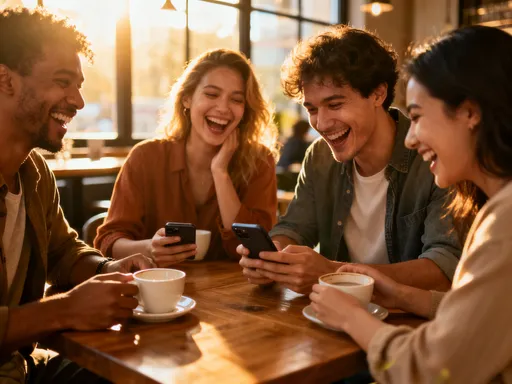
My monthly brunch with the girls used to be a mix of joy and stress. We’ve been meeting for over ten years—through marriages, babies, losses, and life changes. These mornings matter to me. But the planning? It was a chore. I’d start a text thread two weeks ahead, suggest a date, wait for replies, change the date when two people couldn’t make it, then forget to update the third. By the time we sat down with our coffee, I was already tired.
Then I used the app for our June brunch. I created the event on a Tuesday night. Added the date, time, and a note: “Trying a new quiche recipe—let me know if you have dietary needs!” I included a photo of my garden, where we often sit in nice weather. Then I hit send. By the next morning, four of the five had responded. One said she was lactose intolerant—easy to note. Another asked if she could bring her cousin visiting from out of town. I approved it right in the app. No back-and-forth. No confusion.
Two days before, the app sent automatic reminders to everyone. Not spammy—just a gentle nudge: “Brunch is this Sunday at 10 AM!” One friend who’d marked “Maybe” updated her status to “Going” after seeing the reminder. That never would’ve happened with a text thread.
On the day, something small but meaningful happened. As we sat around the table, one of my friends said, “You know, I love that I didn’t have to ask a million questions this time. Everything was just… there.” Another added, “And I didn’t feel bad saying I was lactose-free. It felt normal.” We laughed, and for the first time, the conversation stayed light. No one was stressed. No one was catching up on logistics. We just enjoyed each other. That morning, I realized the app wasn’t just helping me—it was helping us.
Strengthening Family Connections Across Distances
Family reunions used to be a source of stress, not joy. My side of the family is spread across three states. Coordinating the annual summer gathering meant weeks of phone calls, voicemails, and a giant spreadsheet my aunt kept in her kitchen. Someone would forget to call. A time change wouldn’t get shared. And every year, at least one cousin showed up on the wrong weekend.
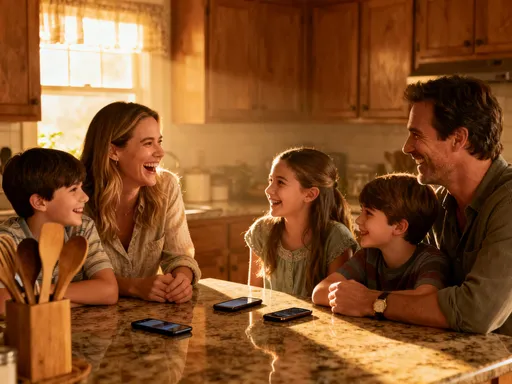
Last year, I decided to try the app for our reunion. I created a private event page—only family members could see it. I added the date, location, and a list of activities: potluck dinner, photo slideshow, bonfire. I included a section for lodging ideas and carpool options. Then I sent the invite to 22 people.
The difference was immediate. Within three days, 18 had confirmed. My cousin in Colorado said, “This is the first year I actually know what’s happening.” My aunt, who’s not big on tech, called me and said, “I found the schedule! It’s right there when I open the app.” Even my teenage nephew started using it to ask about the bonfire time.
But the real magic happened in the weeks leading up to the event. I started adding photos to the event feed—old family pictures, a sneak peek of the backyard setup, a video of my mom testing the new grill. People began commenting. “I can’t wait to see everyone!” “That’s the same tablecloth from Grandma’s house!” “Who’s bringing the pie this year?” The app wasn’t just sharing information—it was building anticipation. It was helping us feel connected before we even arrived.
When we finally met, the mood was different. People hugged longer. Conversations started easier. And when my uncle stood up to give his usual toast, he said, “For the first time, I didn’t spend the drive here wondering if I was in the right place at the right time. I just came, and I was happy to be here.” That moment meant more than any feature ever could.
Small Events, Big Emotional Payoffs
One of the most surprising changes since using this app is how much more often I now plan small, spontaneous things. Before, if I thought, “I should have the girls over for coffee,” I’d talk myself out of it. Too much effort. What if no one can come? What if I forget to tell someone? Now, I just create an event. It takes two minutes. I send it. And more often than not, someone says yes.
Like last month, when I threw a surprise birthday breakfast for my best friend. I found out it was her birthday only three days before. In the past, I would’ve said, “Too late to plan anything.” But this time, I created a private event, invited three other close friends, set it for Saturday morning, and asked everyone to bring one thing—flowers, pastries, coffee, or just themselves. The app kept everything in one place. No stress. And when she walked in and saw us all there, her face lit up. “You did this?” she said, tears in her eyes. “It’s perfect.”
Or the quiet coffee meetup I hosted for a friend going through a tough time. I didn’t make a big deal of it. Just a simple invite: “No agenda. Just coffee and quiet.” She came. We sat. We didn’t talk much. But she hugged me before she left and said, “Thank you for not making me say yes to a text. This felt easy.”
These moments aren’t grand. They don’t make headlines. But they matter. They’re where real connection happens. And the app didn’t create the care—I did. It just removed the friction that used to stop me from acting on it.
A Simpler Way to Care for the People You Love
After six months of testing, I can say this with certainty: the right technology doesn’t have to be flashy or complex. It just has to understand us—our rhythms, our relationships, our desire to show up for each other. This app didn’t change my life because of its code or its design. It changed my life because it helped me stop managing gatherings and start enjoying them.
We don’t gather to check a box. We gather because we need each other. Because a shared meal heals. Because laughter around a table reminds us we’re not alone. Because showing up—consistently, warmly, reliably—is one of the deepest ways we say, “I love you.”
And when the tools we use make that easier, they’re not just useful. They’re meaningful. They give us back time, yes. But more than that, they give us back presence. They help us focus on the faces across the table, not the messages in our inbox. They turn “We should get together” into “We did—and it was wonderful.”
If you’ve ever felt like the effort of planning steals the joy of connecting, I get it. I’ve been there. But I also know there’s another way. A way where technology doesn’t complicate your life—it simplifies it. Where organizing an event doesn’t feel like work, but like an act of care. Where every invite is a small promise: I see you. I value you. I want to be with you.
That’s not just better tech. That’s better living. And it starts with one simple choice: to make gathering easy again.