Cut my mom’s loneliness by 70%: How a simple learning group changed her retirement
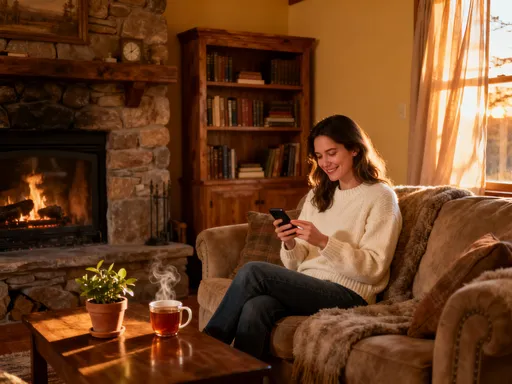
You know that quiet ache when a parent retires and the days start blurring together? I saw it in my mom—once busy, now adrift. Then we found a small online group where she started learning Spanish and sharing recipes. It wasn’t just about the skills. Her mood lifted, her days gained rhythm, and she started laughing again. This isn’t a tech miracle—it’s real life, gently transformed. And honestly, it was one of the most meaningful things we’ve done as a family in years. I didn’t realize how much she was fading until she started glowing again, not because of medication or therapy, but because someone asked her to teach them how to say “good morning” in Italian.
The Slow Fade No One Talks About
Retirement sounds peaceful, doesn’t it? The promise of free time, no alarms, long walks, and coffee whenever you want. But for many parents—especially women who’ve spent decades managing homes, raising kids, and often working full-time too—the silence after the busyness can be deafening. My mom was a school administrator for over thirty years. Her days were full of decisions, people, and purpose. When she retired, we celebrated. We bought her a beautiful planner, a new gardening set, and said, “Now you can finally relax.” But within months, I started noticing changes. She called less. When she did, her voice was quieter, flatter. The topics were smaller—what she’d eaten, the weather, the neighbor’s dog. She wasn’t sad, not clinically, but something was missing. It was like watching a flame slowly dim, not from lack of fuel, but from lack of wind.
What I didn’t understand then was that routine and connection aren’t luxuries—they’re lifelines. For decades, my mom’s identity was tied to being needed. Suddenly, she wasn’t the one signing permission slips, organizing events, or calming anxious teachers. Her expertise wasn’t being asked for. Her opinions weren’t sought. And while we thought we were giving her freedom, we’d accidentally handed her isolation. The house was too quiet. The days had no shape. And without even realizing it, she began shrinking her world—staying in, avoiding calls, saying she was “just tired.” We were all busy—my siblings with kids, me with work. We thought, “She’s fine. She’s resting.” But rest and emptiness feel very different when you’re the one living them.
Loneliness in older adults isn’t always dramatic. It doesn’t come with tears or dramatic declarations. It comes in the form of fewer photos shared, shorter phone calls, and meals eaten alone. It’s the slow retreat from life, not because they don’t want to be part of it, but because they don’t feel invited. And the hardest part? Most of us don’t see it until it’s deep. We mistake quiet for peace. We assume solitude is the same as contentment. But for many, it’s not. It’s invisibility.
A Different Kind of Online Space
When I finally realized how much my mom was struggling, I did what most of us do—I looked for solutions. Adult day programs? Too far. Senior fitness classes? She said she wasn’t “that kind of person.” Social media? She tried Facebook, but it made her feel worse. “Everyone’s traveling or with their grandkids,” she said. “I don’t have anything exciting to post.” I could see it—the endless scroll of curated joy made her feel even more on the outside. She didn’t want to perform happiness. She wanted real connection. So we kept looking.
Then, a friend mentioned a small virtual group hosted by her local senior center. It wasn’t a class with a teacher at the front. It wasn’t a support group where people shared struggles. It was a mutual learning circle—just five or six people, meeting weekly online to teach each other things they loved. One week, someone would lead a short session on Italian phrases. The next, someone would share photos from their garden and explain how they grew tomatoes. Another time, a member taught basic watercolor techniques. There were no tests, no pressure, no “right” way to participate. Just curiosity and kindness.
What made this different from other online spaces was the balance of structure and warmth. It wasn’t passive—like watching videos or scrolling feeds. It wasn’t overwhelming—like large forums or chaotic group chats. It was small, predictable, and reciprocal. Everyone had something to give. And that changed everything. My mom signed up to learn Italian, mostly because she’d always wanted to visit Tuscany. But what kept her coming back wasn’t the language—it was the people. For the first time in months, she felt like she had something to offer. She wasn’t just receiving information. She was contributing. And that tiny shift—from passive consumer to active participant—was the beginning of her return.
Learning as a Bridge, Not a Task
I used to think learning was about outcomes—passing a test, mastering a skill, getting a certificate. But this group taught me something different. Learning, at its best, is a bridge. It connects people. It gives them a reason to show up, to prepare, to listen, and to care. In my mom’s group, each person took turns leading a 20-minute session. The topic didn’t matter. What mattered was the act of sharing. When it was my mom’s turn, she prepared simple Italian greetings, practiced pronunciation, and even made a little handout. She was nervous at first—“What if I make a mistake?”—but the group responded with warmth. “We’re all learning,” someone said. “Your accent is lovely.”
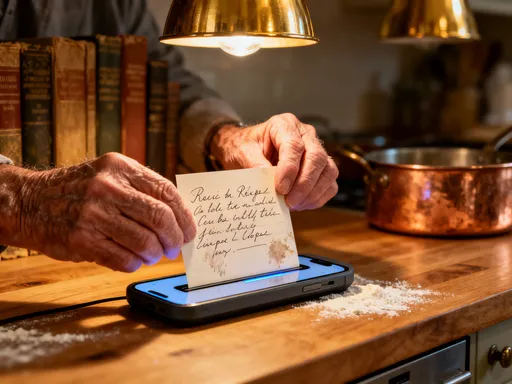
Something beautiful happened in those moments. My mom wasn’t just absorbing words. She was being seen. She was being appreciated. And when she taught, she felt capable. When she listened, she felt included. The act of teaching gave her confidence. The act of learning gave her purpose. One week, she taught the group how to make her famous lemon cake. Another week, she shared photos from her trip to Greece and told stories about the people she met. The Italian lesson was still happening, but the real curriculum was connection.
And here’s the thing—no one was fluent in Italian by the end. No one earned a diploma. But they had inside jokes. They remembered each other’s birthdays. They asked, “How’s your hip feeling?” or “Did you try that recipe I sent?” They celebrated small wins—“I ordered coffee in Italian at the café!”—and laughed when someone mixed up “bathroom” and “potato.” The mistakes weren’t embarrassing. They were bonding moments. This wasn’t about perfection. It was about presence. And for my mom, that was everything.
How the Routine Changed Everything
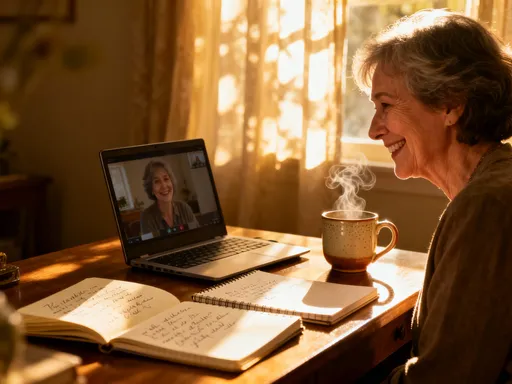
One of the most powerful things about this group was the rhythm it created. Before, my mom’s days blurred together. She’d wake up, have coffee, read the paper, maybe watch a show, and then wonder where the time had gone. There was no structure, no anticipation. But now, her week has anchors. Tuesday is “prep day.” She picks a topic, gathers her notes, practices her phrases. Thursday is “group day.” She dresses up a little—puts on her favorite scarf, brushes her hair, even applies a touch of lipstick. She walks to the public library for better Wi-Fi, sets up her laptop, and joins the call with a smile.
These small rituals might seem trivial, but they’re not. They signal to her brain: this matters. I matter. She’s not just passing time. She’s preparing for something she values. And that shift—from drifting to doing—has had a ripple effect. She’s more active. She sleeps better. She’s curious again. She started reading travel blogs about Italy, not just dreaming, but planning. “Maybe next spring,” she says. “If I keep practicing, I can ask for directions.”
And here’s what surprised me—technology, which I once saw as cold or isolating, became the warmest part of her week. It didn’t replace human connection. It made it possible. The screen wasn’t a barrier. It was a doorway. Through it, she found laughter, recognition, and friendship. She wasn’t just “on her computer.” She was with people who knew her name, who asked about her garden, who remembered her stories. That’s not small. That’s life-changing.
The Ripple Effects We Didn’t Expect
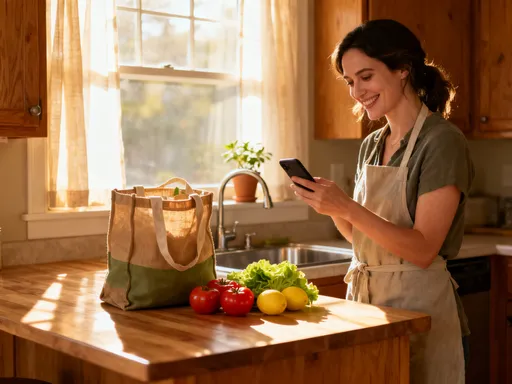
When we started, I thought the goal was to reduce loneliness. And it did—dramatically. But what we didn’t expect were the side benefits. My mom’s sleep improved. She told me she started going to bed earlier because she wanted to be fresh for group day. She’s eating better—cooking more, trying new recipes from group members in Argentina, Spain, and Italy. She even started a little herb garden on her windowsill, inspired by a session on Mediterranean cooking.
But the biggest change was in her confidence. She began helping others—something she hadn’t done in years. One of the younger members, a woman in her 50s who was new to Zoom, asked for help with the chat function. My mom walked her through it step by step. “I felt useful,” she said afterward. “It’s nice to be the one who knows something for a change.” That moment reversed a dynamic so common in aging—where older adults are always the ones receiving help. Now, she was giving it. And that restored a sense of dignity.
Our family calls changed too. Instead of small talk, she had stories. “Guess what? Maria from Buenos Aires sent me her empanada recipe!” or “We all tried saying tongue twisters in Italian and couldn’t stop laughing.” Her voice was brighter. Her energy was up. She wasn’t just surviving retirement. She was living it. And we realized—this wasn’t just about her. It was about us. We were getting our mom back. Not the version we remembered from childhood, but a new version—curious, engaged, and full of joy.
Starting One Isn’t as Hard as You Think
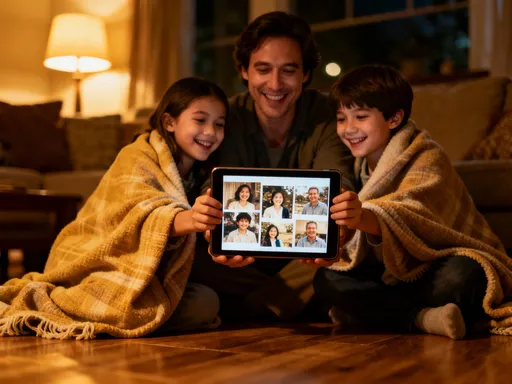
If you’re thinking, “That sounds nice, but we could never do that,” let me tell you—this isn’t complicated. You don’t need a budget. You don’t need tech expertise. You don’t need a big group. In fact, small is better. Start with a shared interest—cooking, gardening, music from the 60s, local history, birdwatching. Invite 4 to 6 people who might enjoy it. It could be neighbors, friends from church, members of a book club, or even family members across the country.
Use free tools like Zoom, Google Meet, or even WhatsApp video. Set a regular time—once a week, same day, same hour. Rotate who leads each session. The leader doesn’t need to be an expert. They just need to share something they love. One week, it’s your aunt’s apple pie recipe. The next, it’s your cousin’s favorite hiking trail. The week after, it’s your mom’s favorite Frank Sinatra songs. Keep it simple. Keep it warm. The goal isn’t to impress. It’s to connect.
Consistency matters more than perfection. There will be tech glitches. Someone might forget to mute. The audio might cut out. Laugh it off. These aren’t failures. They’re part of the story. What matters is that you show up. That you create a space where people feel safe, seen, and valued. My mom’s group started with five people. Two dropped off. Three stayed. Now, they’re talking about inviting a friend of a friend. They’re not changing the world. But they’re changing each other’s weeks. And that’s enough.
Why This Matters More Than Ever
We talk a lot about aging in terms of health—blood pressure, medications, mobility. But we don’t talk enough about belonging. About purpose. About the quiet joy of being needed. Loneliness isn’t just a feeling. It’s a health risk—linked to higher rates of heart disease, depression, and cognitive decline. And yet, so many solutions focus on fixing the person, not the environment. We hand older adults pills, monitors, and safety alerts, but we don’t always give them reasons to get dressed in the morning.
Mutual learning groups aren’t a cure-all. They won’t solve every challenge of aging. But they offer something powerful—dignity, connection, and a sense of growth. They remind us that aging isn’t just about slowing down. It’s about continuing. That curiosity doesn’t expire at 65. That sharing what you know is just as important as learning something new.
And for families, this is a gift. It’s not another chore. It’s not another app to download or device to set up. It’s a way to help our parents thrive, not just survive. It’s a way to give them back what retirement sometimes takes away—the sense that they still matter, that their voice counts, that they have something to give.
So if you’ve noticed a parent, a neighbor, or a friend fading into the quiet, consider this: what if the answer isn’t more entertainment or more monitoring, but more invitation? What if, instead of asking, “Are you okay?” we started asking, “What do you love? What would you like to share?”
Because sometimes, the most powerful technology isn’t the newest gadget. It’s the one that helps someone feel seen. Heard. Needed. Alive. And sometimes, all it takes is a small group, a shared curiosity, and the simple belief that it’s never too late to learn, to teach, and to belong.