From Scattered to Synced: How Online Communities Quietly Organized My Life
Life used to feel like a never-ending to-do list—juggling work, family, personal goals, and just keeping track of everyday tasks. I’d forget deadlines, lose recipes I wanted to try, and feel disconnected even when online. But everything shifted when I stopped seeing online communities as just social spaces and started using them as quiet allies. They didn’t shout for attention; they gently guided me toward clarity, routine, and a sense of control I didn’t know I’d lost. It wasn’t a dramatic overhaul—no 5 a.m. routines or color-coded planners. It was simply showing up in the right digital spaces, learning from others who were also trying to make life a little easier, and letting small, shared ideas slowly reshape my days.
The Chaos Before Connection
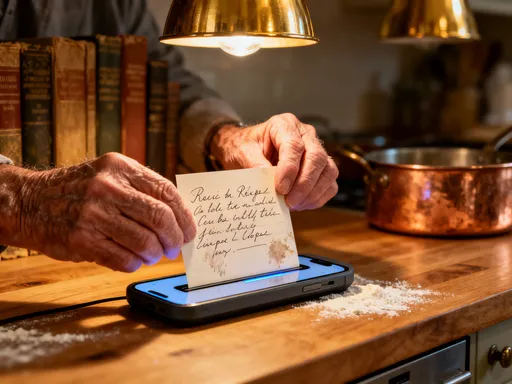
Before I found the right online communities, my days felt like a whirlwind with no center. I’d wake up with good intentions—maybe meal prep, maybe finally clean out the kids’ overstuffed toy bin—but by mid-morning, I was already behind. Work emails piled up, school forms got misplaced, and I once showed up to my sister’s birthday dinner without the gift I’d promised to bring. It wasn’t that I didn’t care. I cared too much. But caring didn’t help me remember where I’d saved that banana bread recipe I wanted to bake for my nephew’s school party. It didn’t stop me from double-booking my dentist appointment and my youngest’s parent-teacher conference. The frustration wasn’t just about forgetting things. It was about feeling like I was failing at the basics—the little things that make a home feel warm, a schedule feel reliable, a life feel manageable.
And here’s the irony: I was online all the time. Scrolling through social media during breakfast, checking notifications between meetings, browsing while waiting for the kids’ soccer practice to end. But all that time online wasn’t helping. If anything, it made things worse. The endless stream of curated lives, perfect kitchens, and productivity hacks only made me feel more inadequate. I’d see someone’s beautifully organized pantry and think, “Why can’t I do that?” Then I’d close the app and stare at my own cluttered kitchen, too overwhelmed to even start. The digital world, which was supposed to connect me, was actually making me feel more isolated. I wasn’t learning—I was comparing. And comparison, as we all know, is the thief of joy. I wasn’t present with my family because I was mentally stuck in someone else’s highlight reel. I wasn’t solving my problems; I was just absorbing everyone else’s solutions, none of which seemed to fit my messy, beautiful, unpredictable life.
Discovering the Right Kind of Online Space
The shift didn’t happen because I deleted all my apps or went on a digital detox. It happened because I finally found online communities that felt different. Not the big, flashy groups with thousands of members and constant self-promotion, but smaller, quieter spaces—places where people weren’t trying to impress anyone. I stumbled on one while searching for simple weeknight dinner ideas. It was a private Facebook group called “Real Meals for Real Families,” and the first thing I noticed was how ordinary it felt. No influencers, no sponsored posts. Just moms and dads sharing what actually worked in their homes. Someone posted a photo of a slightly burnt casserole with the caption, “Dinner is served—again.” Another shared a grocery list template with scribbled notes in the margins: “Skip the fancy cheese this week—kids only eat the pasta anyway.”
That’s when it hit me: these people weren’t perfect. They were just trying. And that made all the difference. I started commenting—first just a “Yes, same!” or a “Thank you for this.” Then I shared my own struggles: the forgotten library books, the laundry that had been in the basket for three days, the calendar that looked like a tangled web of overlapping events. And instead of judgment, I got empathy. “We’ve all been there,” someone replied. “Here’s what I do—maybe it’ll help.” That small exchange changed everything. I wasn’t alone. And more importantly, I didn’t have to have it all figured out to belong.
From there, I began exploring other niche communities—ones focused on habit tracking, mindful productivity, and even digital organization. One group used a shared Google Doc to post weekly intention prompts: “What’s one small thing you want to improve this week?” Another had a monthly check-in thread where members shared one win and one challenge. These weren’t performance spaces. They were support spaces. And the more I participated, the more I realized that the right online community isn’t about finding answers—it’s about feeling seen, and being gently reminded that progress, not perfection, is the goal.
How Personalized Engagement Brought Structure
One of the most powerful things about these communities was how they helped me build systems that actually fit my life—instead of trying to force myself into someone else’s rigid routine. I used to think organization meant strict schedules and color-coded labels. But what I discovered was that real structure feels flexible, not rigid. It’s not about following a perfect plan. It’s about having a few reliable anchors that keep you from drifting.
In one of the productivity groups, a member shared her simple weekly checklist: just five bullet points, like “meal plan Sunday night,” “check kids’ school calendar,” and “15 minutes of decluttering.” It wasn’t fancy, but it was doable. I copied it, tweaked it to include “call Mom” and “review upcoming deadlines,” and started using it every Sunday. Within weeks, I noticed I was less reactive. I wasn’t scrambling on Monday morning because I hadn’t looked at the week ahead. That small checklist became my anchor.
Another game-changer was a shared digital family calendar that a few moms in the group used. Instead of juggling multiple paper calendars and sticky notes, they used a free app that synced across devices. I set one up for my household, color-coded each family member, and added everything—soccer practices, doctor appointments, even grocery shopping. The best part? I could give my husband access, so we were both on the same page. No more “I thought you were picking up the kids!” moments. The technology didn’t do the work for me, but it made it easier to stay aligned. And because I found this solution in a community of people who understood the chaos of family life, it didn’t feel like another burden. It felt like a gift.
What made these tools work wasn’t their complexity—it was their simplicity. The communities I joined used platforms that allowed for customization: private message boards, topic tags, saved posts. I could follow only the threads that mattered to me—like “meal planning” or “time management”—and ignore the rest. That meant I wasn’t flooded with irrelevant content. I was getting just what I needed, when I needed it. It was like having a quiet assistant who knew my rhythm and only spoke up when it mattered.
Turning Shared Ideas into Daily Habits
One of the most surprising benefits of being in these communities was how naturally new habits formed. I didn’t force myself to change. I just started borrowing small ideas from others and testing them in my own life. There was no pressure to do it perfectly. If something didn’t work, I’d tweak it or let it go. And because I was learning from real people with real lives, the ideas felt doable—not like some abstract productivity theory from a bestselling book.
Take grocery planning. For years, I’d wander into the store with a vague idea of what we needed, only to come home with half the items on my list and three things I didn’t need. Then I saw a post in one of the groups where a mom shared her simple grocery template: a Google Sheet with categories like “Produce,” “Dairy,” “Snacks,” and a column for “Buy This Week.” She even included a “Pantry Check” section so she wouldn’t buy duplicates. I copied it, added my own categories (like “Kids’ Lunchbox Staples”), and started using it every Friday night. Now, grocery shopping takes half the time, and I rarely forget anything. It’s not magic—it’s just a shared idea that I made my own.
Another habit that stuck was the monthly goal check-in. In one of the mindful productivity groups, members posted once a month sharing one personal goal and how they were progressing. At first, I was hesitant. “What if I didn’t accomplish anything?” I thought. But when I finally shared—just a simple “Trying to walk 20 minutes a day this month”—I got so many encouraging replies. “That’s amazing!” “I’m doing the same!” “Let me know if you want a walking buddy.” That small act of sharing kept me accountable in the kindest way. I wasn’t being judged. I was being supported. And over time, those monthly check-ins helped me build confidence—not just in meeting goals, but in setting them in the first place.
The beauty of these communities is that they normalize small steps. You don’t have to overhaul your life to belong. You just have to show up as you are. And when you see others doing the same—celebrating tiny wins, admitting struggles, adjusting plans without shame—it becomes easier to extend that same grace to yourself.
Technology That Feels Human, Not Mechanical
What surprised me most was how warm and personal these digital spaces felt. I used to think of technology as cold—alerts buzzing, apps demanding attention, screens lighting up with notifications that made me feel more stressed, not less. But the tools I found through these communities were different. They weren’t designed to grab my attention. They were designed to support me—quietly, gently, like a friend who knows when to speak and when to listen.
One group uses a simple reminder thread every Sunday: “What’s one thing you want to focus on this week?” It’s not a pushy to-do list. It’s an invitation to reflect. Another community shares seasonal planning prompts—like “What does a cozy winter evening look like for your family?” or “What’s one spring cleaning project you’d like to tackle?” These aren’t tasks. They’re invitations to imagine the life you want and take one small step toward it.
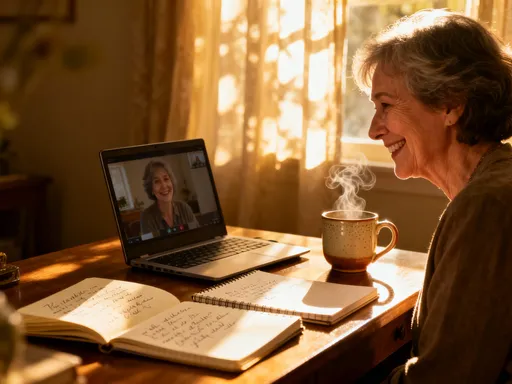
Some members even send voice notes instead of text—short, personal messages that feel more like a phone call than a post. Hearing someone say, “Hey, I tried that recipe you shared—my kids loved it!” feels so much more connecting than a simple “Like” or emoji. It reminds me that behind every username is a real person with a voice, a story, and a life that’s just as messy and beautiful as mine.
And the best part? These tools don’t require expensive subscriptions or complicated setups. Most are free or low-cost, built on platforms we already use—like Facebook groups, shared Google Docs, or simple calendar apps. The innovation isn’t in the technology itself. It’s in how it’s used—with intention, warmth, and a focus on real human needs. When tech is designed to serve people, not profits, it stops feeling like a distraction and starts feeling like a helper.
Rebuilding Rhythm, One Small Post at a Time
Over time, something shifted. I wasn’t just managing my tasks—I was enjoying my life again. Family dinners became something to look forward to, not a source of stress, because I had a meal plan in place. I started saying “yes” to things I used to avoid—like hosting a small gathering or signing up for a beginner’s yoga class—because I knew I could fit it into my schedule without everything else falling apart. The constant feeling of catching up began to fade, replaced by a quiet sense of rhythm.
And it wasn’t just about efficiency. It was about presence. I found myself more engaged with my kids, not because I had more time, but because I was less distracted by the mental clutter of “What did I forget?” or “What’s next?” I could actually listen when my daughter told me about her day, instead of mentally rehearsing my grocery list. I could enjoy a cup of tea in the morning without rushing to check my phone. These moments of calm weren’t accidental. They were the result of small, consistent choices—choices I learned from others who were also learning how to live with more intention.
Participating in these communities became a form of self-care. Logging in wasn’t about escaping my life. It was about improving it. It was about reminding myself that I wasn’t alone, that small steps matter, and that asking for help isn’t weakness—it’s wisdom. Every comment I left, every idea I borrowed, every “me too” moment of connection added up to a life that felt more organized, more peaceful, and more mine.
A Life Reorganized, Not Overhauled
I didn’t need a dramatic reset. I didn’t need to wake up at 4 a.m. or buy a new planner every month. What I needed was connection—real, quiet, supportive connection with people who understood the beautiful mess of everyday life. The right online communities didn’t just help me organize my calendar or remember my son’s field trip. They helped me reconnect with myself.
They reminded me that I don’t have to do it all, do it perfectly, or do it alone. That it’s okay to borrow ideas, to start small, to adjust as I go. That technology, when used with intention, can be a force for calm, not chaos. And that sometimes, the most powerful tool for change isn’t a new app or a fancy system—it’s a simple post from someone who gets it.
Today, my life isn’t perfect. But it’s in sync. I still have busy days, forgotten errands, and moments of overwhelm. But now, I have a rhythm. I have tools. I have people. And I have the quiet confidence that comes from knowing I’m not just surviving—I’m learning, growing, and living with more intention, one small post at a time.